- (517) 743-9070
- 399 SW Madison St, Portland, OR, Portland, OR 97204
Our Other Tree Removal Services
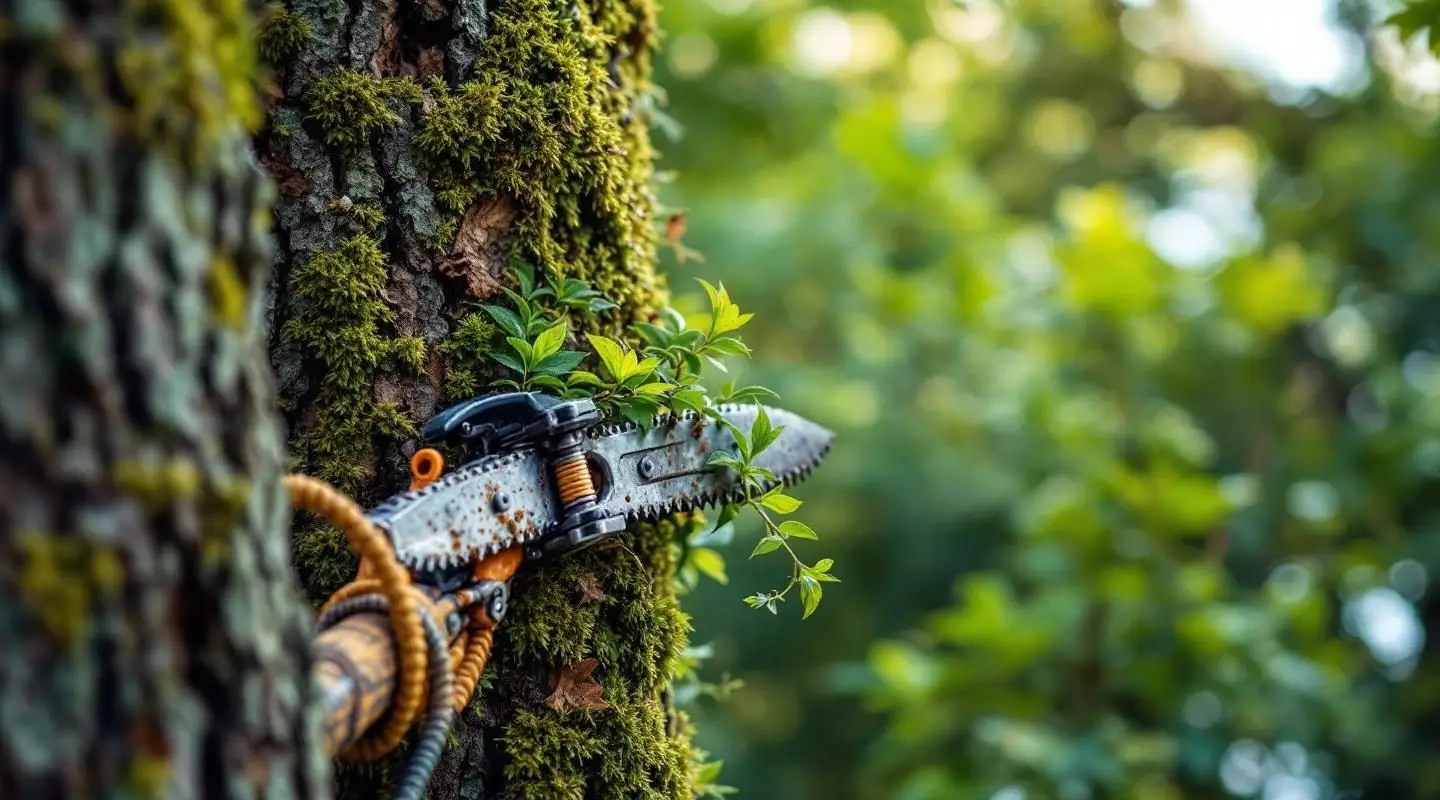
Living under the canopy of the Pacific Northwest is one of the best parts of calling this region home, but giant big-leaf maples and towering Douglas firs require careful, active management to thrive in an urban environment. Professional tree trimming in Portland is not a matter of simply hacking back limbs until the sky clears. It is a highly deliberate, science-based practice designed to work with the tree’s natural biology. When we perform crown thinning or deadwood removal, we make precise cuts just outside the branch collar. This specific placement allows the tree to seal itself through wound compartmentalization, keeping decay-causing pathogens from entering the trunk.
Overgrown canopies frequently cause friction for local property owners, especially when heavy limbs begin to sag over rooflines or crowd out natural light. If you are dealing with branches scraping your gutters or blocking your driveway, canopy lifting and clearance pruning can establish safe boundaries without ruining the tree’s natural silhouette. We actively avoid destructive practices like tree topping, which only results in weak, hazardous epicormic regrowth. Instead, our focus is on structural pruning to mitigate structural defects such as co-dominant stems and included bark before the wet, windy winter season arrives.
Every cut we execute strictly adheres to established ISA pruning standards. To protect the living tissue of trees we are preserving, our crew climbs using ropes and saddles rather than damaging climbing spurs. Whether we are using a pole saw for delicate lateral branch pruning on an ornamental cherry or executing a complex crown reduction on a mature conifer, we bring decades of hands-on experience to your yard. We leave your landscape cleaner than we found it, ensuring your trees remain safe, beautiful, and structurally sound for years to come.
When you invest in professional tree care, you are doing far more than just tidying up your yard’s appearance. Proper structural pruning guides the growth of young trees and maintains the structural integrity of mature giants like Douglas firs and big-leaf maples. By removing co-dominant stems and correcting included bark early, we prevent the tree from splitting under the weight of its own canopy. Every cut we make respects the branch collar, which triggers the tree’s natural wound compartmentalization process to seal out wood-decaying fungi.
Beyond biology, strategic canopy lifting and crown thinning allow sunlight to reach your understory lawn while significantly reducing wind resistance. Portland winters bring heavy rain and sudden gusts that easily snap neglected, top-heavy branches. By reducing the wind-sail effect through targeted lateral branch pruning, your trees can safely weather the storm season. If you want to learn more about our approach, you can read about our experienced technicians and our commitment to safety-first climbing and rigging practices. We never use climbing spurs on trees unless we are removing them, protecting the living cambium layer from unnecessary wounds.
CROWN THINNING — We remove selective branches within the canopy to increase light penetration and reduce wind-load during winter storms.
DEADWOOD REMOVAL — Taking out decaying or dead limbs eliminates immediate fall hazards and stops wood-boring pests from moving into healthy wood.
CANOPY LIFTING — Elevating the lower limbs provides essential clearance pruning over roofs, driveways, sidewalks, and low-hanging utility lines.
STRUCTURAL INTEGRITY — Correcting co-dominant stems and weak attachments prevents catastrophic trunk splitting when the tree matures.
DISEASE PREVENTION — Clean, precise cuts at the branch collar allow rapid wound compartmentalization, keeping airborne spores from infecting the tree.
If you are working on a private property tree, you generally do not need a permit for standard maintenance. However, street trees in the right-of-way are strictly protected. For those, Portland’s Urban Forestry division requires a permit before any major branch is cut. When we perform Professional Tree Trimming & Pruning in Portland, we make sure all work aligns with Portland Urban Forestry regulations and ISA pruning standards. This avoids costly fines and protects our city’s canopy. If your tree has branches encroaching on public sidewalks or streets, clearance pruning is often required, and our team can help you navigate the city’s application process to keep everything legal and safe.
Pricing for Professional Tree Trimming & Pruning in Portland varies based on the size of the tree, its location, and the complexity of the job. A small ornamental maple that we can shape from the ground using a pole saw is straightforward and affordable. A mature Douglas fir requiring crown reduction or extensive deadwood removal overhanging a roof requires a skilled climber. We never use climbing spurs on living trees we intend to save, as they puncture the bark and invite disease. Instead, we use ropes and saddles to protect the trunk during lateral branch pruning. Because every setup is unique—especially with tight property lines in historic Portland neighborhoods—we always provide a clear, written estimate on-site.
Many people use these terms interchangeably, but they serve different goals. Trimming usually focuses on aesthetics or clearing space away from your roof or power lines. Pruning is a science-based practice focused on the long-term health and structural integrity of the tree. When we handle Professional Tree Trimming & Pruning in Portland, we look for structural defects like co-dominant stems and included bark that make trees prone to splitting. We cut just outside the branch collar to encourage natural wound compartmentalization, which prevents rot from entering the trunk. Proper structural pruning preserves the tree’s natural defense systems, while careless hacking can permanently stunt or kill it.
For most mature shade trees in Portland, a maintenance cycle of every three to five years is ideal. However, ornamental fruit trees often need annual attention during their winter dormancy to maximize fruit production. We recommend scheduling major crown thinning or canopy lifting in late winter or early spring when the tree is dormant and wounds close fastest. That said, early fall is a great time for proactive storm-damage prevention. Thinning out dense conifer canopies before the Willamette Valley’s wet, windy winter storms hit can prevent heavy limbs from snapping over your driveway. If you are unsure about your tree’s schedule, you can explore all our services to see how we tailor our care to specific Pacific Northwest species.
Ready to protect your property and keep your trees healthy? Contact us today to schedule an on-site consultation with our experienced technicians. We will walk your property, evaluate your Douglas firs or maples, and provide a clear, upfront estimate with no hidden fees.
Whether you need urgent clearance pruning near your roofline or seasonal crown thinning to prepare for winter winds, we use professional rigging and follow strict ISA pruning standards to get the job done safely. Let’s make sure your trees remain an asset to your home, not a liability.
Many local property owners assume any crew with a chainsaw and a truck can handle canopy maintenance. However, improper cuts can permanently disfigure a mature Douglas fir or big-leaf maple, inviting pests and decay. At Cascade Tree Works, we approach every canopy with a deep understanding of tree biology. We do not guess where to cut. Our team strictly adheres to ISA pruning standards, ensuring every lateral branch pruning or crown thinning cut is made just outside the branch collar to promote rapid wound compartmentalization. We focus on the long-term structural integrity of your trees, never using climbing spurs on living specimens unless we are performing a full removal.
As a locally owned business, we understand the specific wind patterns and heavy rain cycles of the Willamette Valley. We do not operate like a national franchise that uses a one-size-fits-all approach. Instead, our crew of local professionals takes the time to assess your property’s unique microclimate, identifying structural weaknesses like co-dominant stems or included bark before they turn into winter storm hazards. When you choose Cascade Tree Works, you get transparent, upfront quotes without hidden fees, direct communication with the people doing the work, and a team that respects your lawn, gardens, and fences from the moment we arrive until the final cleanup is complete.
Ignoring your trees might seem easy when they look fine from the kitchen window, but hidden structural flaws can quietly turn a beautiful canopy into a severe liability. In the Pacific Northwest, our heavy rains and sudden winter windstorms put immense stress on mature Douglas firs and big-leaf maples. Without regular crown thinning and deadwood removal, a dense canopy acts like a giant sail, catching high winds and threatening to tear limbs or topple the entire trunk onto your roof. Proactive maintenance prevents these failures before the wet season hits.
Proper pruning is about tree biology, not just hacking away at branches. When trees develop co-dominant stems with included bark, they form weak attachments that are highly prone to splitting. By applying ISA pruning standards, our team targets these structural weaknesses early. We perform precise lateral branch pruning and structural pruning, making clean cuts just outside the branch collar. This technique respects the tree’s natural wound compartmentalization process, allowing it to seal over cuts cleanly and resist wood-decay fungi. We never use climbing spurs on living trees we intend to save, as those punctures invite disease.
Neglecting your trees also leads to immediate physical hazards. Low-hanging limbs over driveways or roofs require canopy lifting and clearance pruning to protect your shingles from scraping and keep service lines clear. Whether we are using a pole saw for light ornamental shaping or rigging heavy limbs down from a mature conifer, a strategic crown reduction can safely manage height without the devastating shock of tree topping. Taking care of these issues early keeps your property safe, improves air circulation through the foliage, and ensures your trees thrive for decades to come.
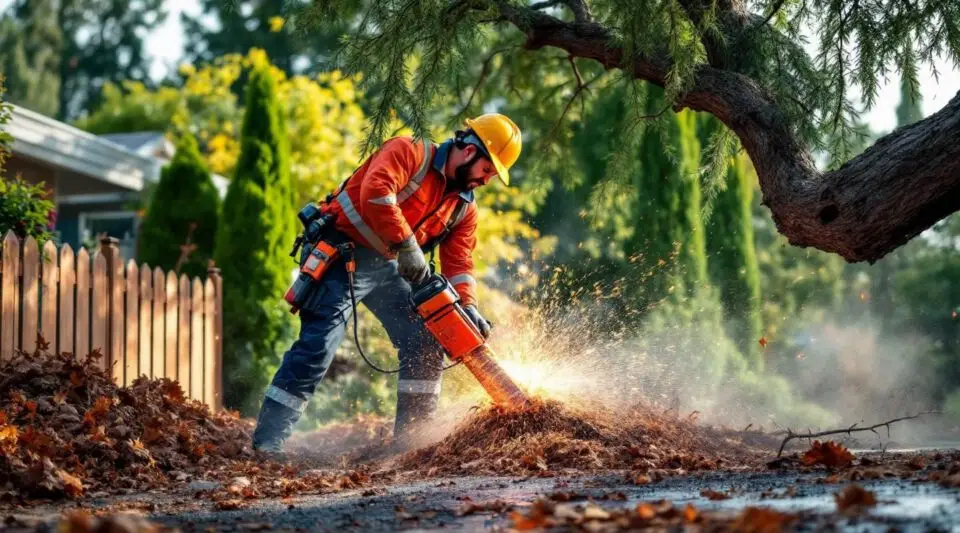
When a winter storm sweeps through the Willamette Valley, saturated soil and heavy gap winds create a recipe for sudden tree failure.
Learn more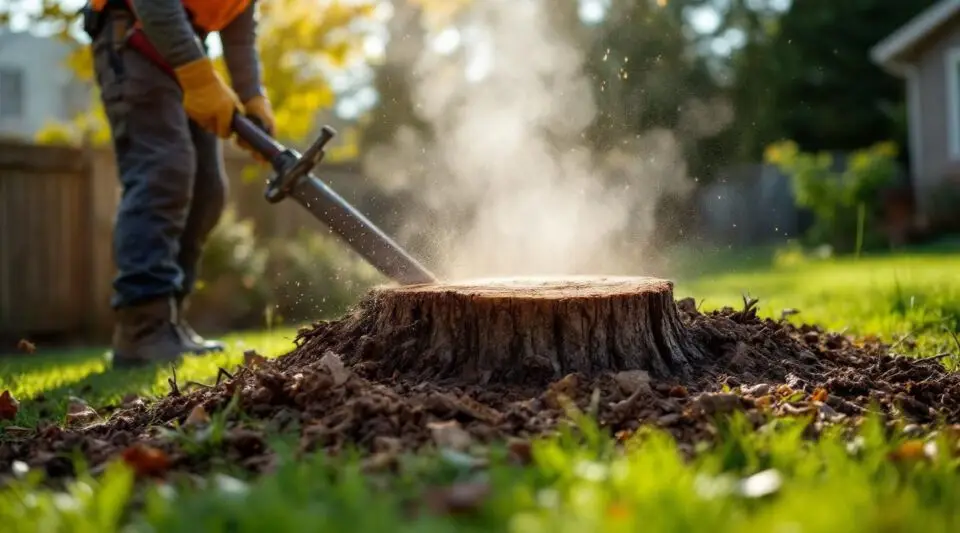
When a tree comes down on your Portland property, the job is only half-finished if you leave the stump behind.
Learn more
Portland's lush, fast-growing vegetation can turn an unused parcel or backyard expansion into an impenetrable wall of green in just a few seasons.
Learn more
Trees in Vancouver, Washington, face unique environmental pressures.
Learn more
When you are dealing with towering Douglas firs or sprawling big-leaf maples on your Portland property, guessing at the cost of tree care is a recipe for frustration.
Learn more
Living in Portland means sharing our neighborhoods with massive, beautiful trees.
Learn more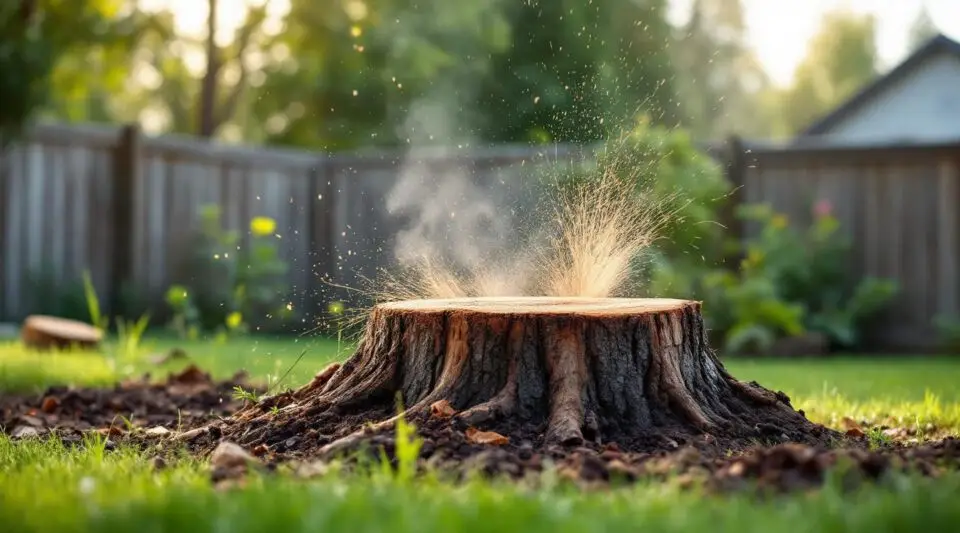
Leaving a tree stump behind after a removal is like leaving a job half-done.
Learn more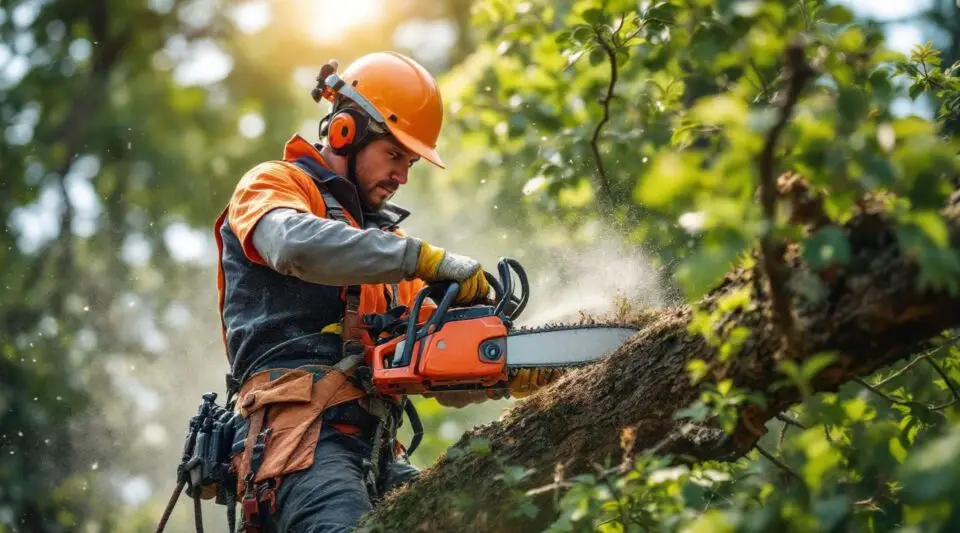
Living in Portland means sharing our yards with massive Douglas firs, big-leaf maples, and western red cedars.
Learn more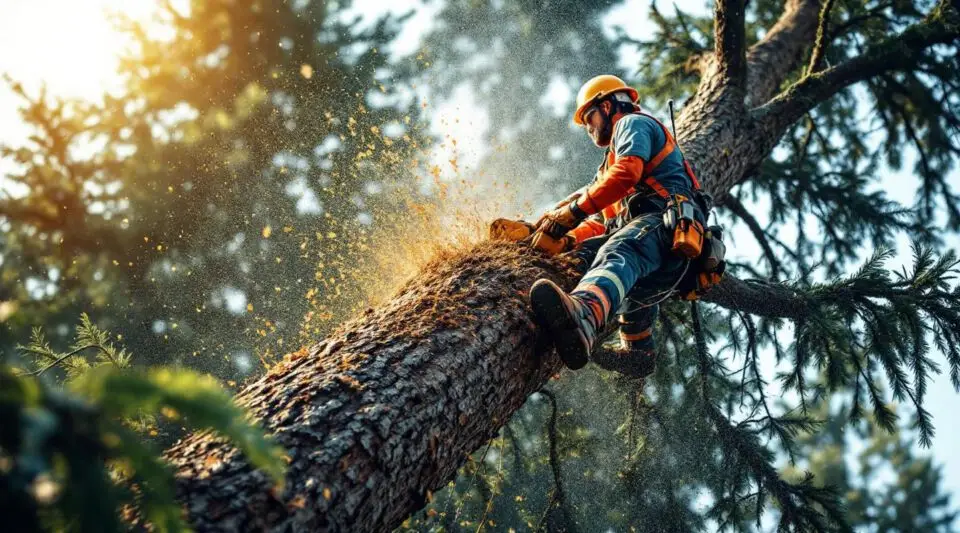
Living in the Pacific Northwest means sharing our yards with massive, beautiful trees, but Oregon's wet winters and heavy clay soils can quietly compromise their stability over time.
Learn more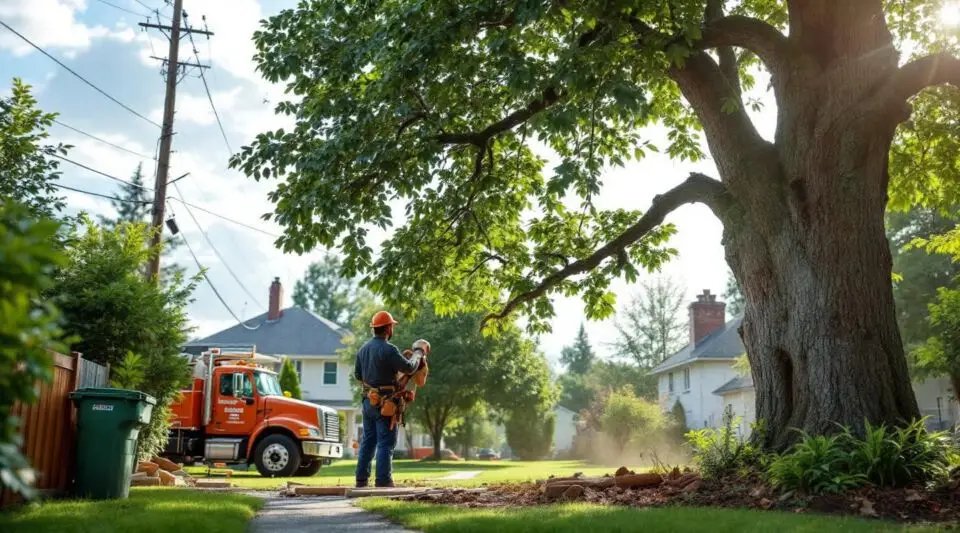
Living in the Pacific Northwest means sharing our properties with massive, beautiful native species like Douglas firs, western red cedars, and sprawling big-leaf maples.
Learn more
Leaving a stump behind after a tree removal is like leaving a construction project half-finished.
Learn more
Living in Portland means sharing your property with some of the most magnificent, fast-growing trees in the country.
Learn more
Overgrown acreage can quickly stall your building plans or landscape projects in Southwest Washington.
Learn more
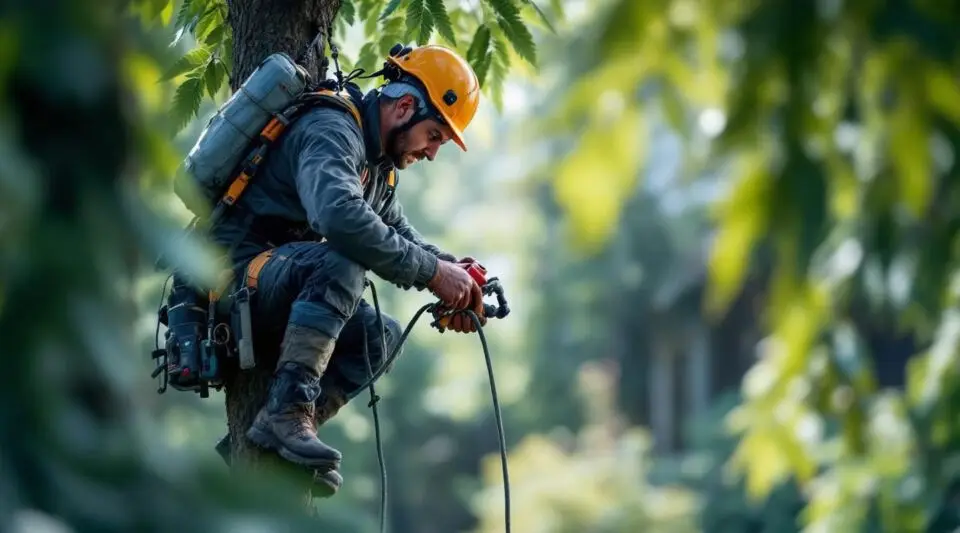
When a massive Douglas fir or big-leaf maple starts showing signs of distress on your property, you do not just need someone with a chainsaw.
Learn more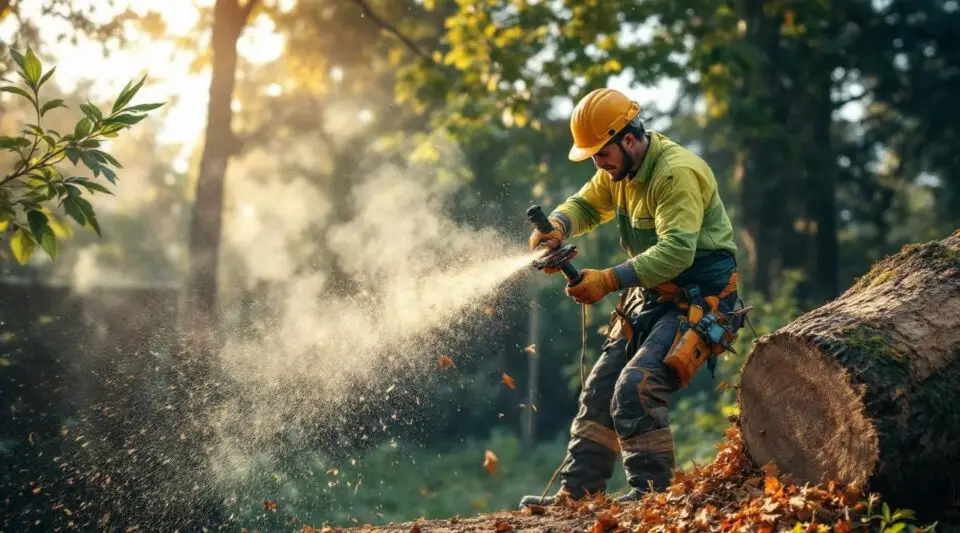
Felling a mature tree in Portland is never a matter of just firing up a chainsaw and hoping for the best.
Learn more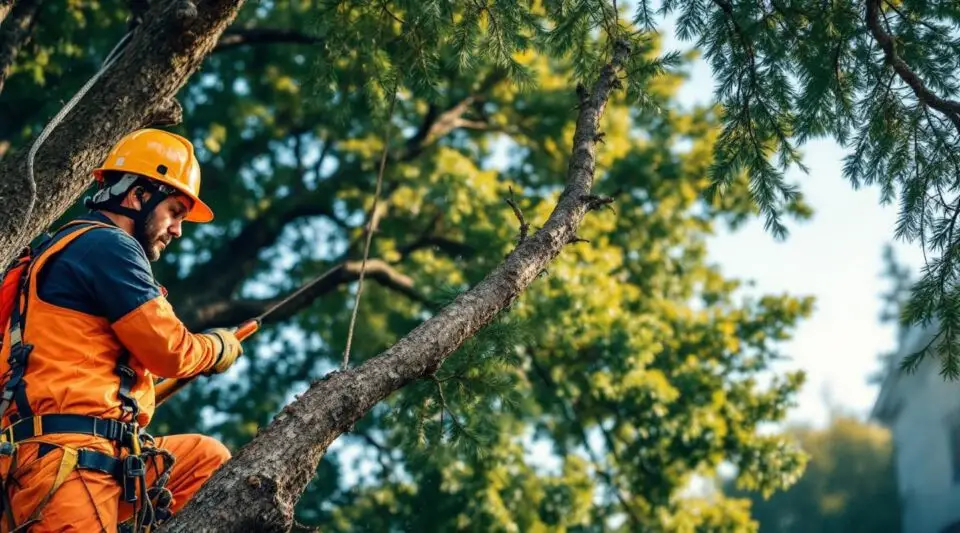
Large trees like Douglas firs, Western red cedars, and bigleaf maples define our Pacific Northwest landscape, but they pose massive risks when they decay, split, or lean heavily toward your roof.
Learn more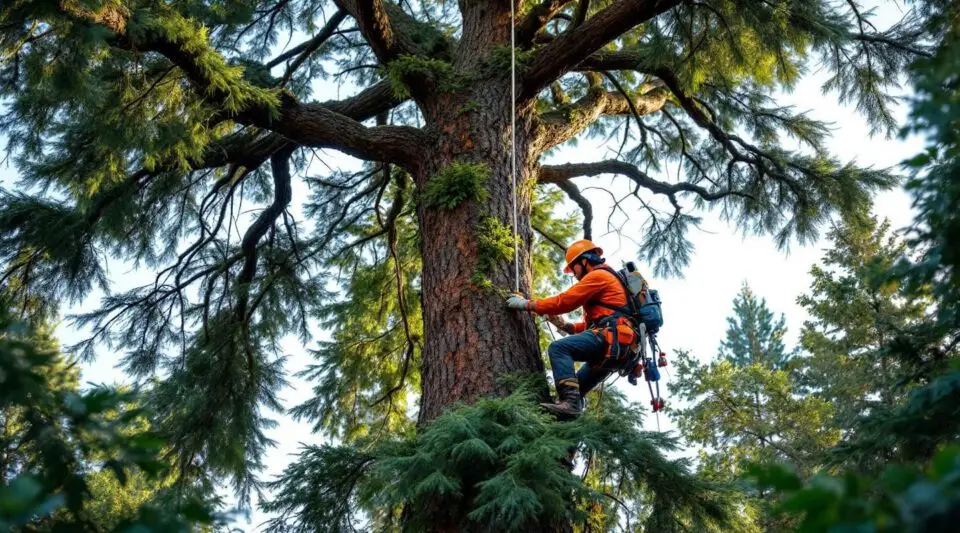
Living among Portland's iconic canopy is one of the best parts of residing in the Pacific Northwest, but mature Douglas firs, western red cedars, and massive big-leaf maples require real vigilance.
Learn more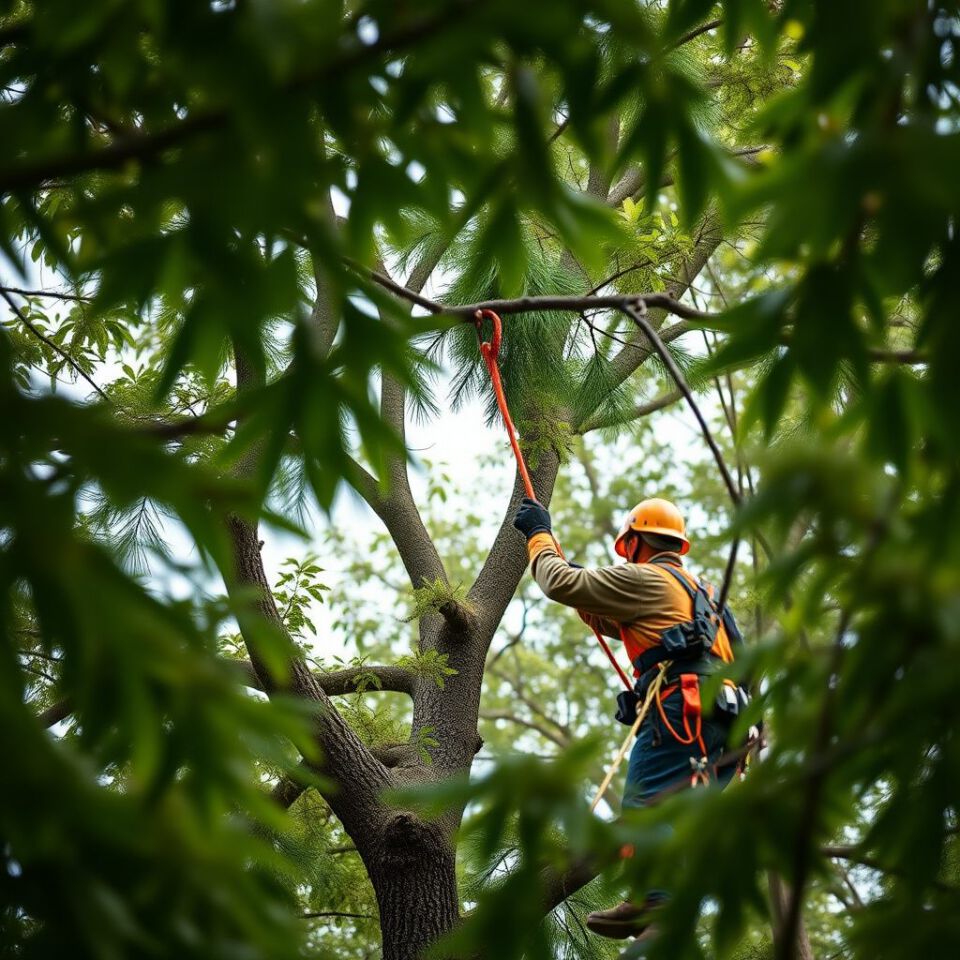
Living in Portland means sharing our properties with massive Douglas firs, sprawling big-leaf maples, and delicate ornamental cherries.
Learn moreWhen a winter storm sweeps through the Willamette Valley, saturated soil and heavy gap winds create a recipe for sudden tree failure.
Learn morePortland's lush, fast-growing vegetation can turn an unused parcel or backyard expansion into an impenetrable wall of green in just a few seasons.
Learn moreTrees in Vancouver, Washington, face unique environmental pressures.
Learn moreWhen you are dealing with towering Douglas firs or sprawling big-leaf maples on your Portland property, guessing at the cost of tree care is a recipe for frustration.
Learn moreLiving in Portland means sharing our neighborhoods with massive, beautiful trees.
Learn moreLeaving a tree stump behind after a removal is like leaving a job half-done.
Learn moreLiving in Portland means sharing our yards with massive Douglas firs, big-leaf maples, and western red cedars.
Learn moreLiving in the Pacific Northwest means sharing our yards with massive, beautiful trees, but Oregon's wet winters and heavy clay soils can quietly compromise their stability over time.
Learn moreLiving in the Pacific Northwest means sharing our properties with massive, beautiful native species like Douglas firs, western red cedars, and sprawling big-leaf maples.
Learn moreLeaving a stump behind after a tree removal is like leaving a construction project half-finished.
Learn moreLiving in Portland means sharing your property with some of the most magnificent, fast-growing trees in the country.
Learn moreOvergrown acreage can quickly stall your building plans or landscape projects in Southwest Washington.
Learn moreStanding dead trees are a ticking clock in the Pacific Northwest.
Learn moreWhen a massive Douglas fir or big-leaf maple starts showing signs of distress on your property, you do not just need someone with a chainsaw.
Learn moreFelling a mature tree in Portland is never a matter of just firing up a chainsaw and hoping for the best.
Learn moreLarge trees like Douglas firs, Western red cedars, and bigleaf maples define our Pacific Northwest landscape, but they pose massive risks when they decay, split, or lean heavily toward your roof.
Learn moreLiving among Portland's iconic canopy is one of the best parts of residing in the Pacific Northwest, but mature Douglas firs, western red cedars, and massive big-leaf maples require real vigilance.
Learn moreLiving in Portland means sharing our properties with massive Douglas firs, sprawling big-leaf maples, and delicate ornamental cherries.
Learn moreI had a big old tree in my backyard that was more of a danger than anything recently. It was leaning dangerously close to the home after a storm so I called this tree service. Right from the beginning they were really responsive and easy to work with. They were there to check out the situation and described the tree removal process in a way that made sense and without trying to upsell unneeded services. The crew arrived on time on the day of the project and were very efficient. Most of all I liked that they were careful with my property and did not destroy the plants and structures near the tree when they removed it. They did the tree stump removal and left the yard clean and ready to use again. Also very helpful in advising me on future maintenance like tree cutting and pruning to avoid problems like this again. Service was smooth and professional and would be happy to use them again if I had need.
Dayna Griffin