- (517) 743-9070
- 399 SW Madison St, Portland, OR, Portland, OR 97204
When a massive Douglas fir or big-leaf maple starts showing signs of distress on your property, you do not just need someone with a chainsaw. You need a specialist with proper ISA certification who understands the biological complexities of Pacific Northwest trees. At Cascade Tree Works, we provide dedicated arborist services designed to diagnose structural weaknesses, identify pests, and map out preservation plans before minor issues turn into costly hazards. We bring years of hands-on experience directly to your yard, ensuring your landscape remains both safe and beautiful.
Our approach goes far beyond basic tree trimming. Every property visit starts with a thorough tree risk assessment, where we examine the entire specimen from top to bottom. This includes a detailed crown evaluation to look for deadwood or weak branch attachments, followed by a root zone inspection where we perform a soil compaction assessment and check for fungal growth. By adhering strictly to ANSI A300 standards, our team ensures that every pruning cut or preservation strategy supports the long-term structural integrity of your landscape. We do not guess; we use proven diagnostic methods to evaluate your canopy.
Vancouver’s wet winters and heavy clay soils frequently mask root rot as simple drought stress. Without a proper tree health diagnosis, you might end up removing a salvageable tree or, worse, leaving a dangerous hazard tree standing near your roofline. We help you navigate these tough decisions with clear, science-backed advice, helping you secure city permits when removal is the only safe option left. Our goal is to give you an honest, authoritative opinion you can actually trust.
Whether you are dealing with storm damage along the Columbia River Gorge or preparing a site for new construction, our consulting arborist services provide the documentation you need. We deliver clear, written reports that satisfy municipal regulations and insurance requirements alike. Let us take the guesswork out of your tree care so you can rest easy during our next major windstorm.
When you hire a tree service, you aren’t just paying for someone to run a chainsaw. You are investing in the long-term safety and structural integrity of your landscape. In Vancouver, our heavy clay soils and wet winters frequently trigger root rot and fungal issues like Armillaria, which untrained eyes easily mistake for simple drought stress. An ISA-certified arborist brings a deep understanding of Pacific Northwest species, conducting thorough root zone inspections and canopy assessments to catch structural defects before the next major windstorm rolls through the Columbia River Gorge.
Working with our team of consulting arborists means you get clear, objective answers about whether a leaning Douglas fir is actually a hazard tree or just growing naturally. We follow strict ANSI A300 standards for structural pruning, ensuring that any cuts we make actually help the tree heal rather than leaving it vulnerable to pests. Plus, we help you navigate the local municipal tree regulations in Vancouver, Washington, saving you from costly city fines and providing the documented tree risk assessment reports your insurance company or local permit office demands.
Accurate Tree Health Diagnosis — We identify hidden fungal infections, soil compaction issues, and pest infestations before they kill your mature maples or cedars.
Storm Damage Mitigation — Our detailed crown evaluation and hazard tree identification help prevent catastrophic failures during wet, windy winter months.
Legal Permit Support — We provide professional written arborist reports that satisfy Vancouver's strict municipal tree removal permit requirements.
ANSI A300 Standards — Every structural pruning cut we perform is designed to preserve the tree's natural defense systems and long-term vitality.
Risk Assessment Clarity — Get an honest, objective evaluation of leaning or damaged trees so you don't pay for removals you don't actually need.
A regular tree trimmer focuses on rapid cutting and clearing, but an ISA Certified Arborist approaches your yard from a scientific perspective. When you hire us for Certified Arborist Services in Vancouver, we don’t just start up the chainsaws. We perform a detailed canopy assessment, root zone inspection, and tree health diagnosis based on ANSI A300 standards. This ensures we identify underlying issues like Armillaria root rot or soil compaction before recommending structural pruning. Our team, based near Portland, helps you avoid unnecessary removals while preserving the structural integrity of your landscape.
Yes, Vancouver has strict municipal tree regulations that differ significantly from unincorporated Clark County. If you want to remove a tree within the city limits, you often need a permit, especially if the tree is a significant species like a mature western red cedar or Douglas fir. When we provide Certified Arborist Services in Vancouver, we can draft a formal tree risk assessment and pre-removal arborist report to support your application. You can review the official municipal guidelines directly on the City of Vancouver Urban Forestry website. Our crew, serving both Vancouver and the wider Portland metro area, handles the technical documentation so you don’t face steep code violation fines.
A standard single-tree risk assessment or health consultation typically ranges from one to several hundred dollars. The final cost depends on the complexity of the report, the number of trees, and whether you need a formal written document for insurance or a permit. A verbal assessment is faster and more affordable, while a written consulting arborist report carries professional liability and detailed findings. If you choose to move forward with the recommended work, we often apply a portion of this fee toward the service. Whether you are in Vancouver or Portland, our Certified Arborist Services in Vancouver provide transparent, upfront pricing based on the actual time required to evaluate your property.
It is easy to mistake seasonal stress for a terminal disease. In the Pacific Northwest, our hot, dry summers cause big-leaf maples and Douglas firs to drop yellowing leaves early. However, deep bark cracks, fungal conks at the base, or dead crown sections usually point to serious pathogens like Armillaria root rot. During our Certified Arborist Services in Vancouver, we conduct a thorough tree health diagnosis and hazard tree identification. We check for trunk cavities and soil compaction around the root flare. If you want a professional opinion, our team of specialists can visit your property near Portland to determine if structural pruning or deep root fertilization can save the tree, or if removal is the only safe option.
Large, shallow-rooted species like mature Douglas firs and big-leaf maples are highly susceptible to windthrow, especially when heavy winter rains saturate our local clay soils. Proximity to the Columbia River Gorge means east-side properties face extreme wind exposure. When you schedule Certified Arborist Services in Vancouver, we look for structural defects, codominant stems, and root decay that make a tree a high hazard. Our assessments, available throughout the Vancouver and Portland metro area, help you identify these vulnerabilities before the storm season hits, allowing you to take preventive action like crown reduction or cabling.
Whether you are worried about a leaning Douglas fir after a Columbia River Gorge windstorm or need a formal tree risk assessment to secure a city permit, we can help. Our team brings deep local knowledge of Pacific Northwest species and soil conditions directly to your yard. We don’t guess; we evaluate your canopy and root zones using established ANSI A300 standards to give you clear, actionable answers.
Don’t wait for the next major storm to find out if your trees are structurally sound. Contact Cascade Tree Works today to schedule a consultation with an ISA Certified Arborist, or browse our services to see how we help keep Vancouver properties safe and beautiful.
When you are dealing with towering Douglas firs or heavy big-leaf maples near your roofline, you cannot afford to hire an uncredentialed crew. Cascade Tree Works brings deep, local expertise to every property we visit. As a locally owned company, we understand the specific challenges of the Pacific Northwest, from our wet, clay-heavy soils to the intense windstorms that sweep through the Columbia River Gorge. Our team is fully licensed, bonded, and insured, ensuring your property is completely protected while we perform complex tree assessments and structural pruning.
At Cascade Tree Works, we do not believe in guesswork or aggressive sales tactics that push for unnecessary removals. Our certified arborists evaluate your trees using strict ANSI A300 standards to provide clear, honest diagnoses. Because we operate across the bi-state area, we know the municipal tree regulations in Vancouver, Washington cold, helping you navigate the city permit process without the headache of unexpected fines. Whether you need a formal written report for an insurance claim or a proactive health assessment, our crew delivers the precise, reliable documentation you need to make informed decisions.
Living in Vancouver Washington means sharing your property with massive Douglas firs, western red cedars, and big-leaf maples. While these giants define our Pacific Northwest landscape, our wet winters and heavy clay soils can quietly compromise their stability. A tree that looks perfectly healthy to the untrained eye might actually be suffering from Armillaria root rot or severe internal decay. Without a professional crown evaluation and root zone inspection, you are essentially guessing whether that 100-foot fir near your roof will withstand the next winter gale blowing out of the Gorge.
That is where formal expertise makes a life-saving difference. Hiring unlicensed crews who make flush cuts or top your trees often triggers rapid decay and weak epicormic sprouting, leaving you with a far more dangerous hazard tree down the road. By bringing in our team of qualified professionals, you ensure all assessments and structural pruning follow strict ANSI A300 standards. We do not just guess; we perform detailed tree health diagnosis and hazard tree identification to give you clear, actionable answers. Furthermore, if a tree does need to come down, our consulting arborist can provide the official reports required to navigate Vancouver’s municipal tree regulations and secure the necessary city permits.
Ignoring a leaning trunk or ignoring fungal conks at the base of a cedar can lead to catastrophic property damage or denied insurance claims. If a storm brings down a tree that was visibly diseased, insurers may argue negligence. A documented tree risk assessment provides the paper trail you need to prove proactive care. Whether you are trying to satisfy a home buyer’s inspector, planning a construction project, or simply losing sleep during November windstorms, a professional arborist report replaces anxiety with scientific facts. We help you protect your home’s equity and, more importantly, the people living under your canopy.
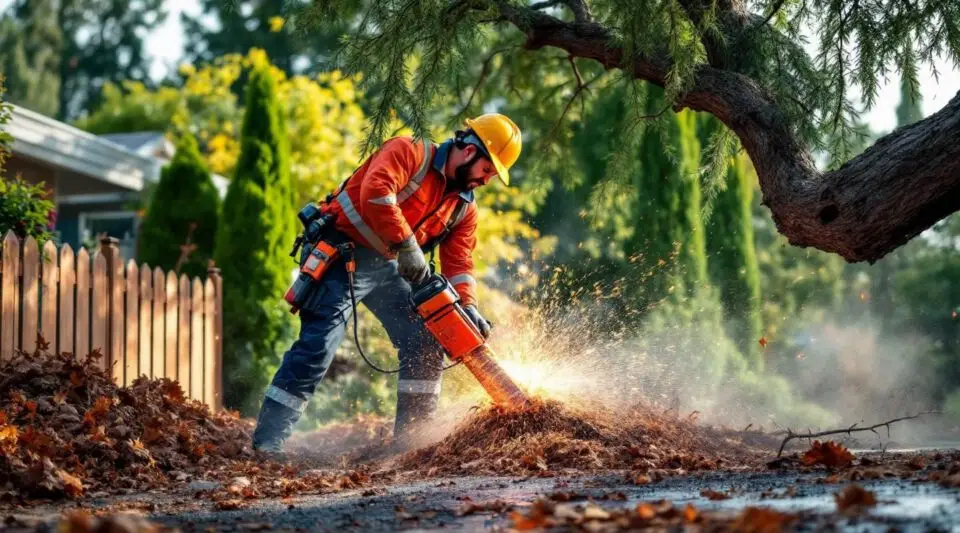
When a winter storm sweeps through the Willamette Valley, saturated soil and heavy gap winds create a recipe for sudden tree failure.
Learn more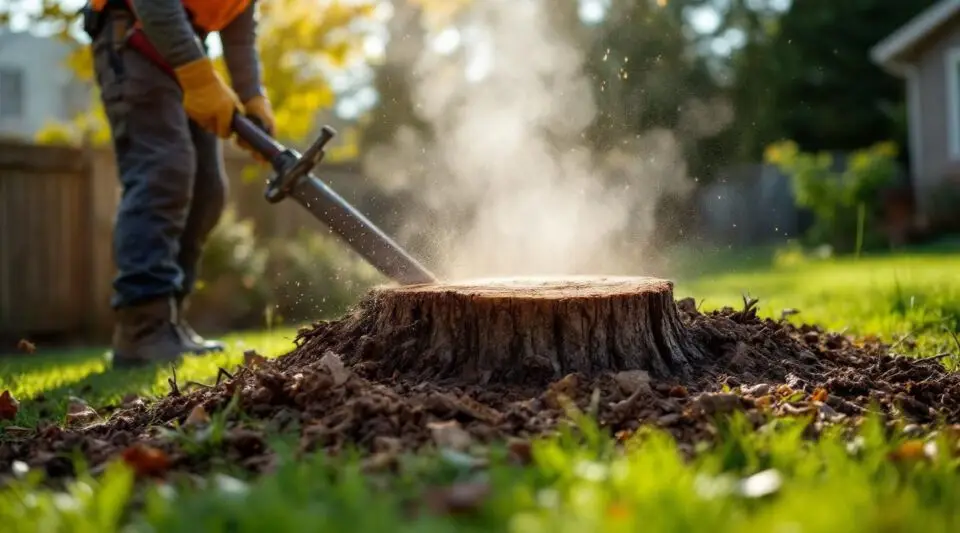
When a tree comes down on your Portland property, the job is only half-finished if you leave the stump behind.
Learn more
Living under the canopy of the Pacific Northwest is one of the best parts of calling this region home, but giant big-leaf maples and towering Douglas firs require careful, active management to thrive in an urban environment.
Learn more
Portland's lush, fast-growing vegetation can turn an unused parcel or backyard expansion into an impenetrable wall of green in just a few seasons.
Learn more
Trees in Vancouver, Washington, face unique environmental pressures.
Learn more
When you are dealing with towering Douglas firs or sprawling big-leaf maples on your Portland property, guessing at the cost of tree care is a recipe for frustration.
Learn more
Living in Portland means sharing our neighborhoods with massive, beautiful trees.
Learn more
Leaving a tree stump behind after a removal is like leaving a job half-done.
Learn more
Living in Portland means sharing our yards with massive Douglas firs, big-leaf maples, and western red cedars.
Learn more
Living in the Pacific Northwest means sharing our yards with massive, beautiful trees, but Oregon's wet winters and heavy clay soils can quietly compromise their stability over time.
Learn more
Living in the Pacific Northwest means sharing our properties with massive, beautiful native species like Douglas firs, western red cedars, and sprawling big-leaf maples.
Learn more
Leaving a stump behind after a tree removal is like leaving a construction project half-finished.
Learn more
Living in Portland means sharing your property with some of the most magnificent, fast-growing trees in the country.
Learn more
Overgrown acreage can quickly stall your building plans or landscape projects in Southwest Washington.
Learn more
Felling a mature tree in Portland is never a matter of just firing up a chainsaw and hoping for the best.
Learn more
Large trees like Douglas firs, Western red cedars, and bigleaf maples define our Pacific Northwest landscape, but they pose massive risks when they decay, split, or lean heavily toward your roof.
Learn more
Living among Portland's iconic canopy is one of the best parts of residing in the Pacific Northwest, but mature Douglas firs, western red cedars, and massive big-leaf maples require real vigilance.
Learn more
Living in Portland means sharing our properties with massive Douglas firs, sprawling big-leaf maples, and delicate ornamental cherries.
Learn moreWhen a winter storm sweeps through the Willamette Valley, saturated soil and heavy gap winds create a recipe for sudden tree failure.
Learn moreLiving under the canopy of the Pacific Northwest is one of the best parts of calling this region home, but giant big-leaf maples and towering Douglas firs require careful, active management to thrive in an urban environment.
Learn morePortland's lush, fast-growing vegetation can turn an unused parcel or backyard expansion into an impenetrable wall of green in just a few seasons.
Learn moreTrees in Vancouver, Washington, face unique environmental pressures.
Learn moreWhen you are dealing with towering Douglas firs or sprawling big-leaf maples on your Portland property, guessing at the cost of tree care is a recipe for frustration.
Learn moreLiving in Portland means sharing our neighborhoods with massive, beautiful trees.
Learn moreLeaving a tree stump behind after a removal is like leaving a job half-done.
Learn moreLiving in Portland means sharing our yards with massive Douglas firs, big-leaf maples, and western red cedars.
Learn moreLiving in the Pacific Northwest means sharing our yards with massive, beautiful trees, but Oregon's wet winters and heavy clay soils can quietly compromise their stability over time.
Learn moreLiving in the Pacific Northwest means sharing our properties with massive, beautiful native species like Douglas firs, western red cedars, and sprawling big-leaf maples.
Learn moreLeaving a stump behind after a tree removal is like leaving a construction project half-finished.
Learn moreLiving in Portland means sharing your property with some of the most magnificent, fast-growing trees in the country.
Learn moreOvergrown acreage can quickly stall your building plans or landscape projects in Southwest Washington.
Learn moreStanding dead trees are a ticking clock in the Pacific Northwest.
Learn moreFelling a mature tree in Portland is never a matter of just firing up a chainsaw and hoping for the best.
Learn moreLarge trees like Douglas firs, Western red cedars, and bigleaf maples define our Pacific Northwest landscape, but they pose massive risks when they decay, split, or lean heavily toward your roof.
Learn moreLiving among Portland's iconic canopy is one of the best parts of residing in the Pacific Northwest, but mature Douglas firs, western red cedars, and massive big-leaf maples require real vigilance.
Learn moreLiving in Portland means sharing our properties with massive Douglas firs, sprawling big-leaf maples, and delicate ornamental cherries.
Learn moreI had a big old tree in my backyard that was more of a danger than anything recently. It was leaning dangerously close to the home after a storm so I called this tree service. Right from the beginning they were really responsive and easy to work with. They were there to check out the situation and described the tree removal process in a way that made sense and without trying to upsell unneeded services. The crew arrived on time on the day of the project and were very efficient. Most of all I liked that they were careful with my property and did not destroy the plants and structures near the tree when they removed it. They did the tree stump removal and left the yard clean and ready to use again. Also very helpful in advising me on future maintenance like tree cutting and pruning to avoid problems like this again. Service was smooth and professional and would be happy to use them again if I had need.
Dayna Griffin