- (517) 743-9070
- 399 SW Madison St, Portland, OR, Portland, OR 97204
Our Other Tree Removal Services
Living in the Pacific Northwest means sharing our yards with massive, beautiful trees, but Oregon’s wet winters and heavy clay soils can quietly compromise their stability over time. When a mature Douglas fir or big-leaf maple begins to show signs of structural failure risk, you cannot afford to wait for the next major windstorm to sweep through the Columbia River Gorge. Our team at Cascade Tree Works specializes in identifying these hidden dangers before they turn into costly emergencies. Whether you are dealing with a severe lean angle over your roofline or need a professional root rot assessment due to persistent soil saturation, we provide clear, honest answers and decisive action to protect your home.
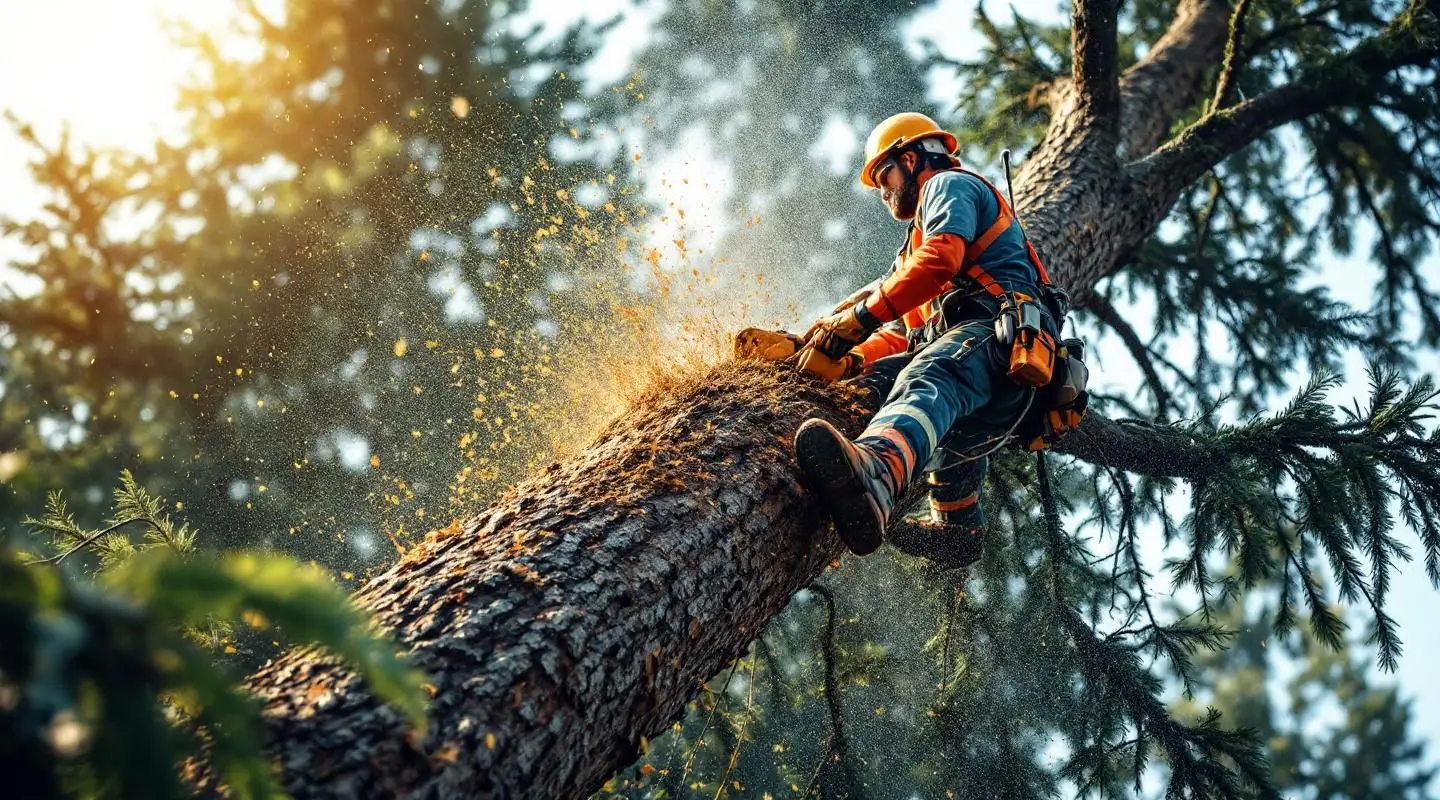
Safe removal of a compromised tree is a highly technical discipline that goes far beyond basic cutting. Our experienced technicians begin with a thorough tree risk assessment, looking for telltale signs of decay fungi, canopy dieback, or co-dominant stems with weak, included bark. These structural flaws often create “widow makers”—heavy, dead branches suspended high in the canopy that can drop without warning. If the tree’s ISA risk rating indicates it poses an immediate threat to your family or neighboring structures, we design a customized extraction plan tailored to the tight confines of your specific yard.
Every property presents unique challenges, especially when dealing with close proximity to structures, overhead utility lines, or delicate landscaping. To prevent any impact on your home or fences, we use advanced rigging and lowering systems to dissect the tree piece by piece, controlling every single log’s descent. For the most complex or severely compromised situations where climbing is too dangerous, we coordinate crane-assisted removal to lift massive trunk sections safely up and away from your home. We handle all the permitting requirements mandated by the City of Portland, ensuring your dead tree removal is fully compliant with local canopy regulations and Oregon CCB standards.
When a massive Douglas fir or big-leaf maple begins to fail, the danger isn’t just the fall itself—it’s the unpredictable path it takes on the way down. Safety isn’t an accident; it’s engineered. Our team of experienced technicians uses advanced rigging and lowering techniques to systematically dismantle compromised trees piece by piece. This controlled approach protects your roof, your family, and your neighbor’s fence from the devastating impact of sudden structural failure.
Beyond immediate safety, addressing a high-risk tree preserves the long-term value of your landscape. We identify hidden structural defects like included bark, decay fungi, and severe lean angles that untrained eyes easily miss. By taking down a dead or dying tree before it collapses, you avoid the massive emergency premiums, property damage, and legal disputes that occur when a tree crosses property lines. We handle the heavy lifting, leaving you with a clean, safe yard and the confidence that your home is secure.
Mitigated Liability — Removing a documented hazard prevents costly neighbor disputes and insurance headaches if a storm causes a sudden collapse.
Structure Protection — Precision rigging and lowering techniques ensure heavy limbs are guided safely away from roofs, power lines, and fences.
Accurate Risk Ratings — Professional assessments identify hidden decay fungi, root rot, and structural failure risks before they become emergency failures.
Landscape Preservation — Controlled dismantling prevents heavy wood from crashing down and destroying your established lawn, garden beds, or hardscaping.
Permit Compliance — We help navigate Portland's strict tree removal regulations, ensuring all local municipal codes are fully met before work begins.
Yes, in most cases, you do. Portland has strict rules regarding tree preservation, and removing a tree on private property usually requires a permit if the trunk is 12 inches or larger in diameter. However, if there is an immediate structural failure risk, the city allows for emergency removals. You must document the hazard with clear photos showing decay fungi, severe lean angle, or canopy dieback before cutting. We recommend checking the official Portland Urban Forestry permit portal to confirm current regulations. When you hire us for Hazardous Tree Removal in Portland, our team helps you navigate this paperwork so you do not face heavy city fines.
Removing a tree with a severe lean angle over a roof requires surgical precision. We do not just fell these trees. Instead, our crew uses advanced rigging and lowering systems to secure and control every single branch before it is cut. For extreme cases with tight proximity to structures, we coordinate a crane-assisted removal. This allows us to lift massive sections of the trunk straight up and away from your home, completely eliminating the risk of property damage. Every step of our Hazardous Tree Removal in Portland process follows ANSI A300 safety standards. We protect your lawn, your gutters, and your home by treating your property with absolute respect.
This is a common headache in the Pacific Northwest, where wet winters and clay soils frequently destabilize root systems. Under Oregon law, if a neighbor’s tree falls due to a storm, your own homeowners insurance typically covers the damage to your property. However, if the tree is a known hazard—meaning it has visible co-dominant stems with included bark or obvious root rot—and the neighbor ignores it, they can be held liable for negligence. We suggest getting a formal tree risk assessment from an ISA Certified Arborist. Presenting this written ISA risk rating to your neighbor creates a paper trail. If they refuse to act, we can coordinate with both parties to perform the necessary Hazardous Tree Removal in Portland before the next big windstorm hits.
You should look for several key indicators. Large, dead branches hung up in the canopy—often called widow makers—are immediate threats that can drop without warning. Look closely at the base of the trunk for shelf-like decay fungi or mushrooms, which indicate internal rot. A sudden change in the tree’s lean angle or soil heaving at the base suggests the root system is failing. If you notice deep vertical cracks or co-dominant stems splitting apart, the structural failure risk is incredibly high. Do not wait for a winter ice storm to test it. Our team can perform a rapid root rot assessment and handle the Hazardous Tree Removal in Portland safely before the tree makes the decision for you.
Don’t wait for a heavy Pacific Northwest winter storm to turn a leaning Douglas fir or a decaying big-leaf maple into an active emergency. If you are worried about a heavy lean angle, deep trunk hollows, or dead wood hanging over your roof, having an ISA Certified Arborist evaluate the structural failure risk can save your home from devastating impact. Our team at Cascade Tree Works is ready to inspect your trees and provide a clear, upfront estimate for safe removal.
We use controlled rigging and lowering techniques to protect your landscape, fences, and structures from damage during the process. Contact our crew today to schedule an on-site tree risk assessment in Portland and get a straightforward plan to make your yard safe again.
When you are dealing with a massive Douglas fir leaning over your roofline or a big-leaf maple showing severe canopy dieback, you cannot afford to hire a fly-by-night operation or a generic landscaping crew. At Cascade Tree Works, we specialize specifically in high-risk, technical extractions that national chains and basic lawn services simply refuse to touch. Our experienced technicians are fully licensed with the Oregon Contractors Board (CCB) and carry comprehensive general liability and workers’ compensation insurance. This means you are completely protected from liability from the moment we set up our rigging and lowering systems on your property.
We do not guess when it comes to structural failure risk. Our team includes ISA Certified Arborists holding the Tree Risk Assessment Qualification (TRAQ). We evaluate the exact lean angle, look for decay fungi at the root flare, and inspect co-dominant stems with included bark before we ever start a chainsaw. Unlike out-of-state franchises that deploy generic crews, we are locally owned and deeply familiar with how Portland’s wet winters and heavy clay soils destabilize shallow-rooted trees. We own and operate our own specialized heavy rigging gear and coordinate crane-assisted removal for tight-access situations, ensuring we protect your home, fences, and landscaping from secondary damage.
Portland’s wet winters and heavy clay soils create a perfect storm for root instability. When you live among towering Douglas firs and massive big-leaf maples, a compromised root system isn’t just an aesthetic issue—it’s an active threat. Over time, Oregon’s persistent dampness feeds decay fungi that quietly hollow out trunks from the inside. By the time you notice canopy dieback or fungal brackets at the base, the structural failure risk has already escalated. Waiting for a winter windstorm blowing through the Columbia River Gorge to test your tree’s stability is a gamble you don’t want to take.
Dead limbs, often called widow makers, can snap without warning on a calm summer afternoon due to sudden drought stress. If a tree has co-dominant stems with included bark or a severe lean angle, its structural integrity is fundamentally flawed. Identifying these hazards requires a professional root rot assessment and comprehensive tree risk assessment. Our experienced technicians look beyond the surface to evaluate the ISA risk rating and determine if the proximity to structures warrants immediate intervention. Ignoring these warning signs can result in catastrophic damage to roofs, power lines, or neighboring properties.
Proactive dead tree removal prevents the chaotic scramble of an emergency call-out after a storm. When a tree is structurally compromised, a simple felling is rarely safe or possible. We use advanced rigging and lowering techniques to systematically dismantle the canopy piece by piece, protecting landscaping and fences. For highly complex situations, a crane-assisted removal allows us to lift massive trunk sections cleanly over a home without touching the ground. Taking action early keeps homeowners in control of the timeline, the cost, and the safety of the property.
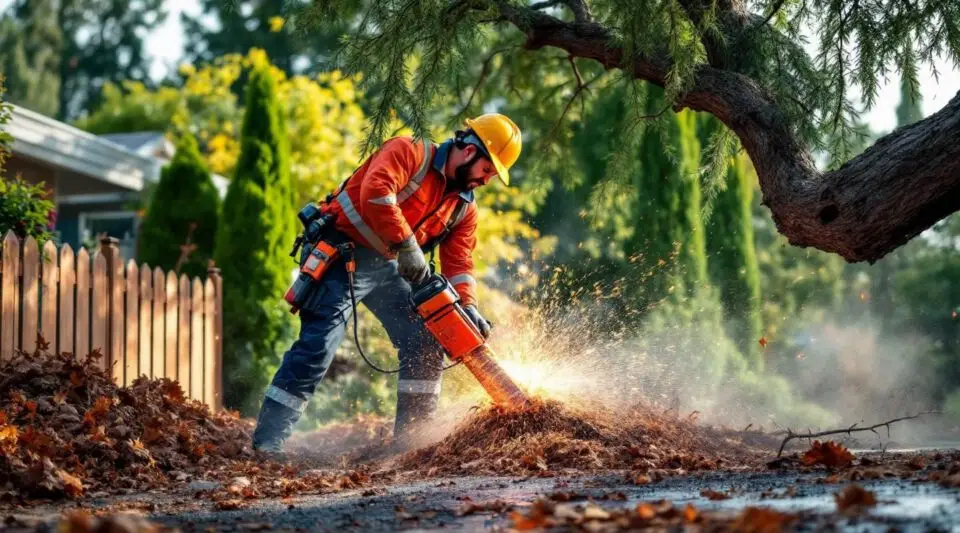
When a winter storm sweeps through the Willamette Valley, saturated soil and heavy gap winds create a recipe for sudden tree failure.
Learn more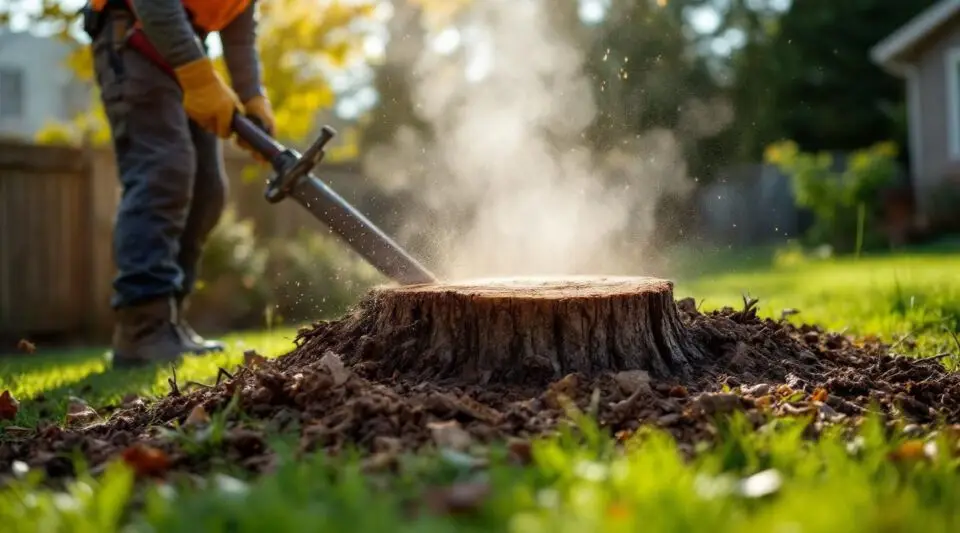
When a tree comes down on your Portland property, the job is only half-finished if you leave the stump behind.
Learn more
Living under the canopy of the Pacific Northwest is one of the best parts of calling this region home, but giant big-leaf maples and towering Douglas firs require careful, active management to thrive in an urban environment.
Learn more
Portland's lush, fast-growing vegetation can turn an unused parcel or backyard expansion into an impenetrable wall of green in just a few seasons.
Learn more
Trees in Vancouver, Washington, face unique environmental pressures.
Learn more
When you are dealing with towering Douglas firs or sprawling big-leaf maples on your Portland property, guessing at the cost of tree care is a recipe for frustration.
Learn more
Living in Portland means sharing our neighborhoods with massive, beautiful trees.
Learn more
Leaving a tree stump behind after a removal is like leaving a job half-done.
Learn more
Living in Portland means sharing our yards with massive Douglas firs, big-leaf maples, and western red cedars.
Learn more
Living in the Pacific Northwest means sharing our properties with massive, beautiful native species like Douglas firs, western red cedars, and sprawling big-leaf maples.
Learn more
Leaving a stump behind after a tree removal is like leaving a construction project half-finished.
Learn more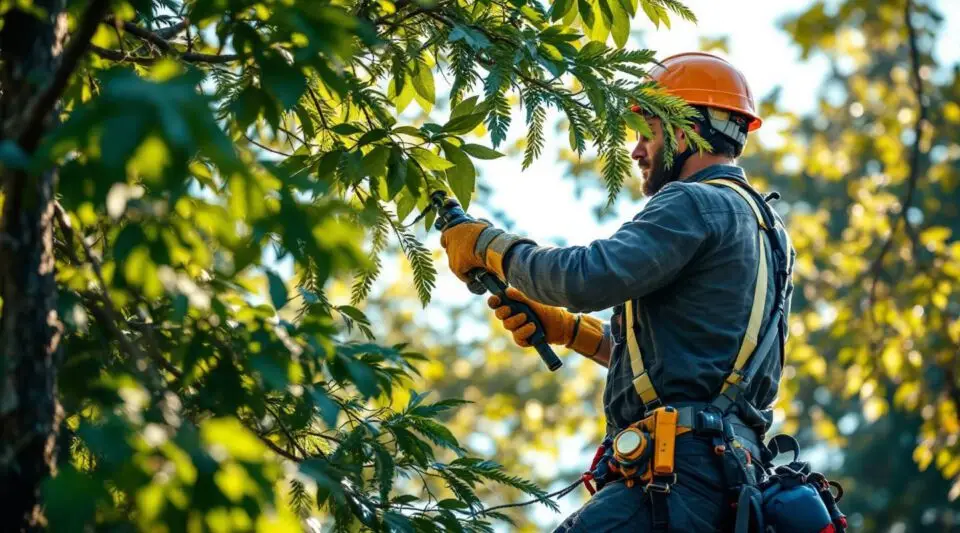
Living in Portland means sharing your property with some of the most magnificent, fast-growing trees in the country.
Learn more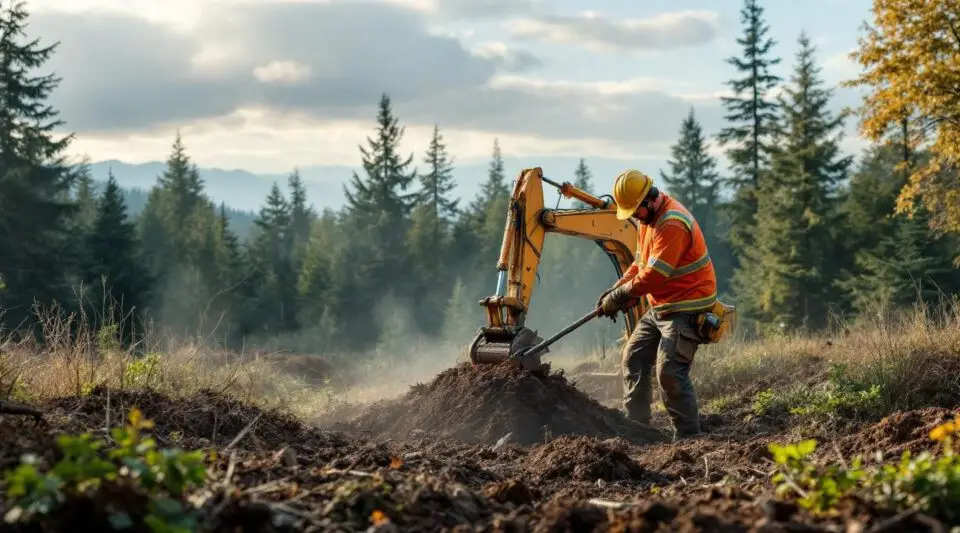
Overgrown acreage can quickly stall your building plans or landscape projects in Southwest Washington.
Learn more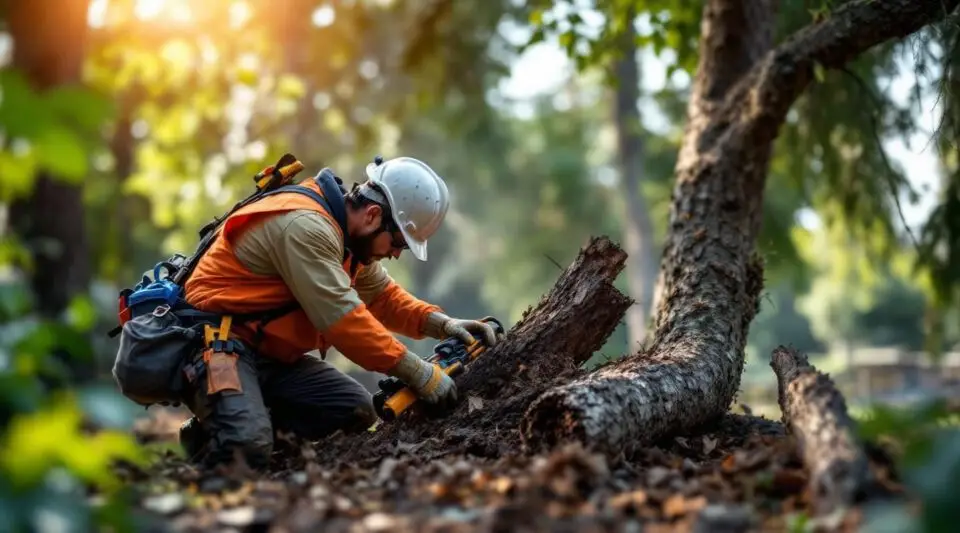
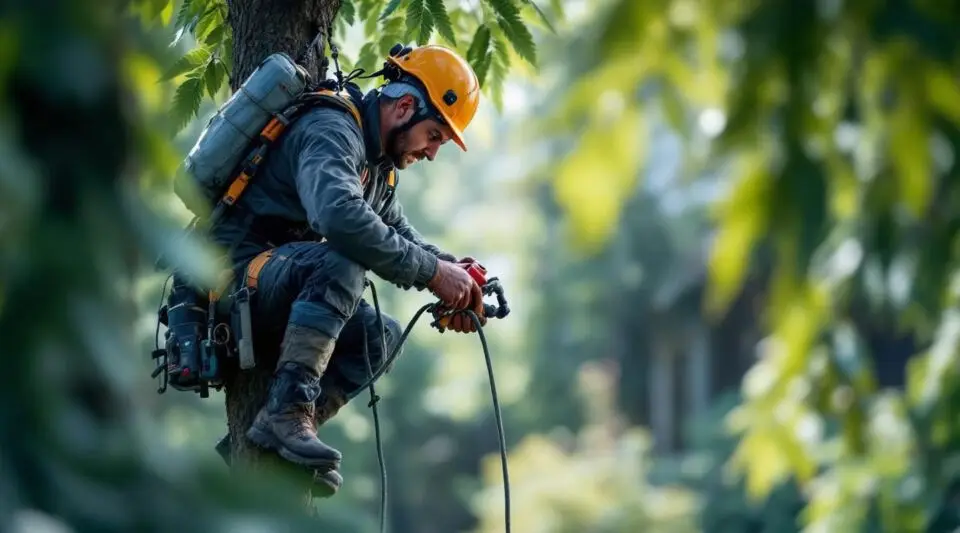
When a massive Douglas fir or big-leaf maple starts showing signs of distress on your property, you do not just need someone with a chainsaw.
Learn more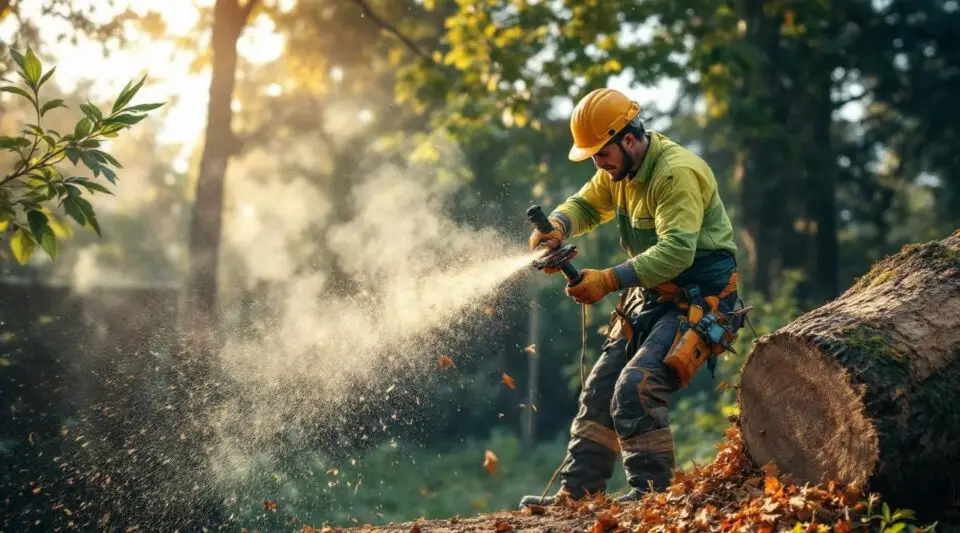
Felling a mature tree in Portland is never a matter of just firing up a chainsaw and hoping for the best.
Learn more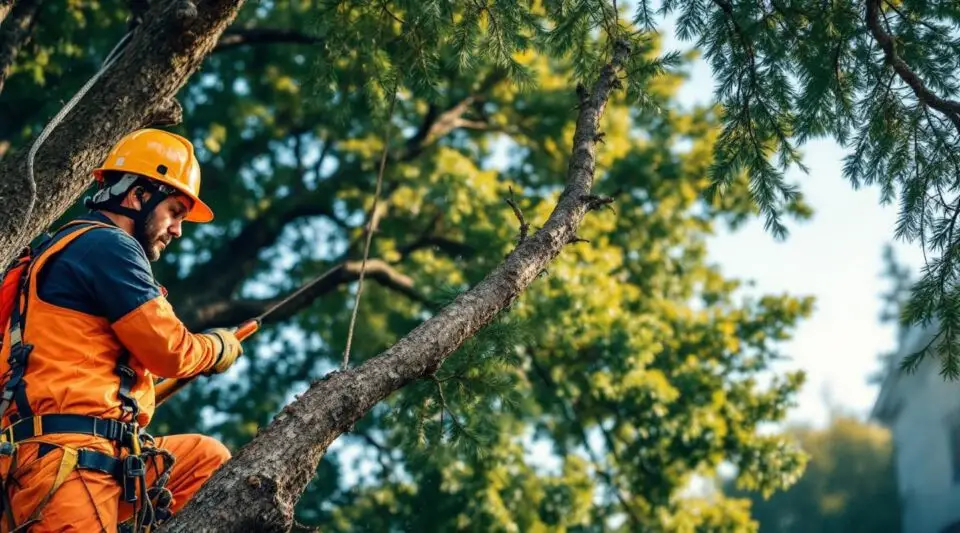
Large trees like Douglas firs, Western red cedars, and bigleaf maples define our Pacific Northwest landscape, but they pose massive risks when they decay, split, or lean heavily toward your roof.
Learn more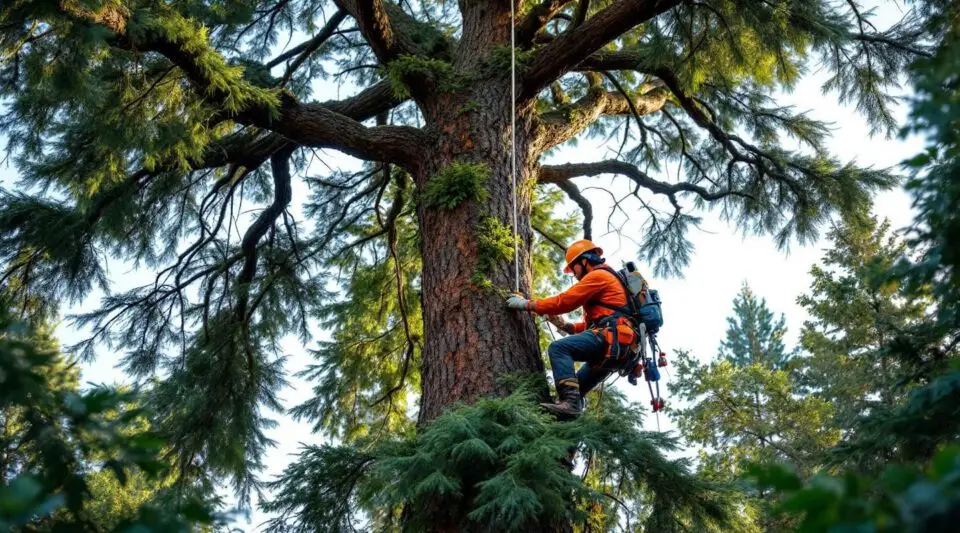
Living among Portland's iconic canopy is one of the best parts of residing in the Pacific Northwest, but mature Douglas firs, western red cedars, and massive big-leaf maples require real vigilance.
Learn more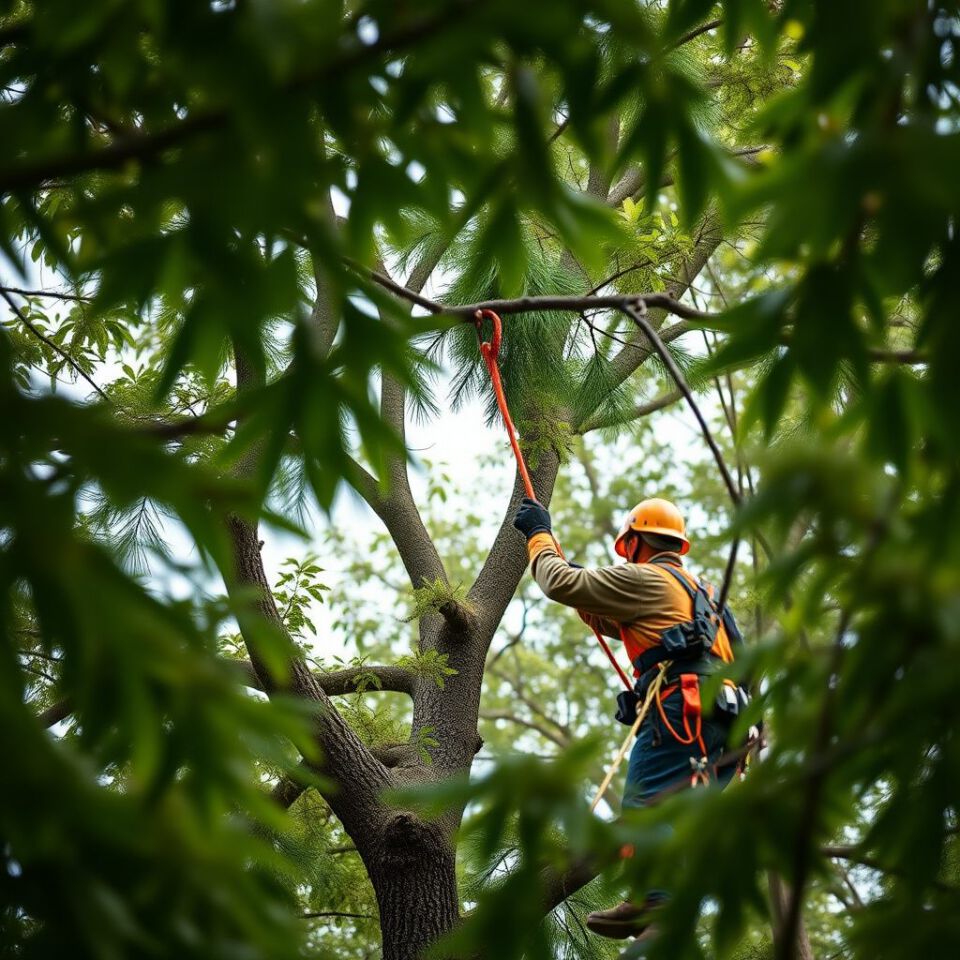
Living in Portland means sharing our properties with massive Douglas firs, sprawling big-leaf maples, and delicate ornamental cherries.
Learn moreWhen a winter storm sweeps through the Willamette Valley, saturated soil and heavy gap winds create a recipe for sudden tree failure.
Learn moreLiving under the canopy of the Pacific Northwest is one of the best parts of calling this region home, but giant big-leaf maples and towering Douglas firs require careful, active management to thrive in an urban environment.
Learn morePortland's lush, fast-growing vegetation can turn an unused parcel or backyard expansion into an impenetrable wall of green in just a few seasons.
Learn moreTrees in Vancouver, Washington, face unique environmental pressures.
Learn moreWhen you are dealing with towering Douglas firs or sprawling big-leaf maples on your Portland property, guessing at the cost of tree care is a recipe for frustration.
Learn moreLiving in Portland means sharing our neighborhoods with massive, beautiful trees.
Learn moreLeaving a tree stump behind after a removal is like leaving a job half-done.
Learn moreLiving in Portland means sharing our yards with massive Douglas firs, big-leaf maples, and western red cedars.
Learn moreLiving in the Pacific Northwest means sharing our properties with massive, beautiful native species like Douglas firs, western red cedars, and sprawling big-leaf maples.
Learn moreLeaving a stump behind after a tree removal is like leaving a construction project half-finished.
Learn moreLiving in Portland means sharing your property with some of the most magnificent, fast-growing trees in the country.
Learn moreOvergrown acreage can quickly stall your building plans or landscape projects in Southwest Washington.
Learn moreStanding dead trees are a ticking clock in the Pacific Northwest.
Learn moreWhen a massive Douglas fir or big-leaf maple starts showing signs of distress on your property, you do not just need someone with a chainsaw.
Learn moreFelling a mature tree in Portland is never a matter of just firing up a chainsaw and hoping for the best.
Learn moreLarge trees like Douglas firs, Western red cedars, and bigleaf maples define our Pacific Northwest landscape, but they pose massive risks when they decay, split, or lean heavily toward your roof.
Learn moreLiving among Portland's iconic canopy is one of the best parts of residing in the Pacific Northwest, but mature Douglas firs, western red cedars, and massive big-leaf maples require real vigilance.
Learn moreLiving in Portland means sharing our properties with massive Douglas firs, sprawling big-leaf maples, and delicate ornamental cherries.
Learn moreI had a big old tree in my backyard that was more of a danger than anything recently. It was leaning dangerously close to the home after a storm so I called this tree service. Right from the beginning they were really responsive and easy to work with. They were there to check out the situation and described the tree removal process in a way that made sense and without trying to upsell unneeded services. The crew arrived on time on the day of the project and were very efficient. Most of all I liked that they were careful with my property and did not destroy the plants and structures near the tree when they removed it. They did the tree stump removal and left the yard clean and ready to use again. Also very helpful in advising me on future maintenance like tree cutting and pruning to avoid problems like this again. Service was smooth and professional and would be happy to use them again if I had need.
Dayna Griffin