- (517) 743-9070
- 399 SW Madison St, Portland, OR, Portland, OR 97204
Our Other Tree Removal Services
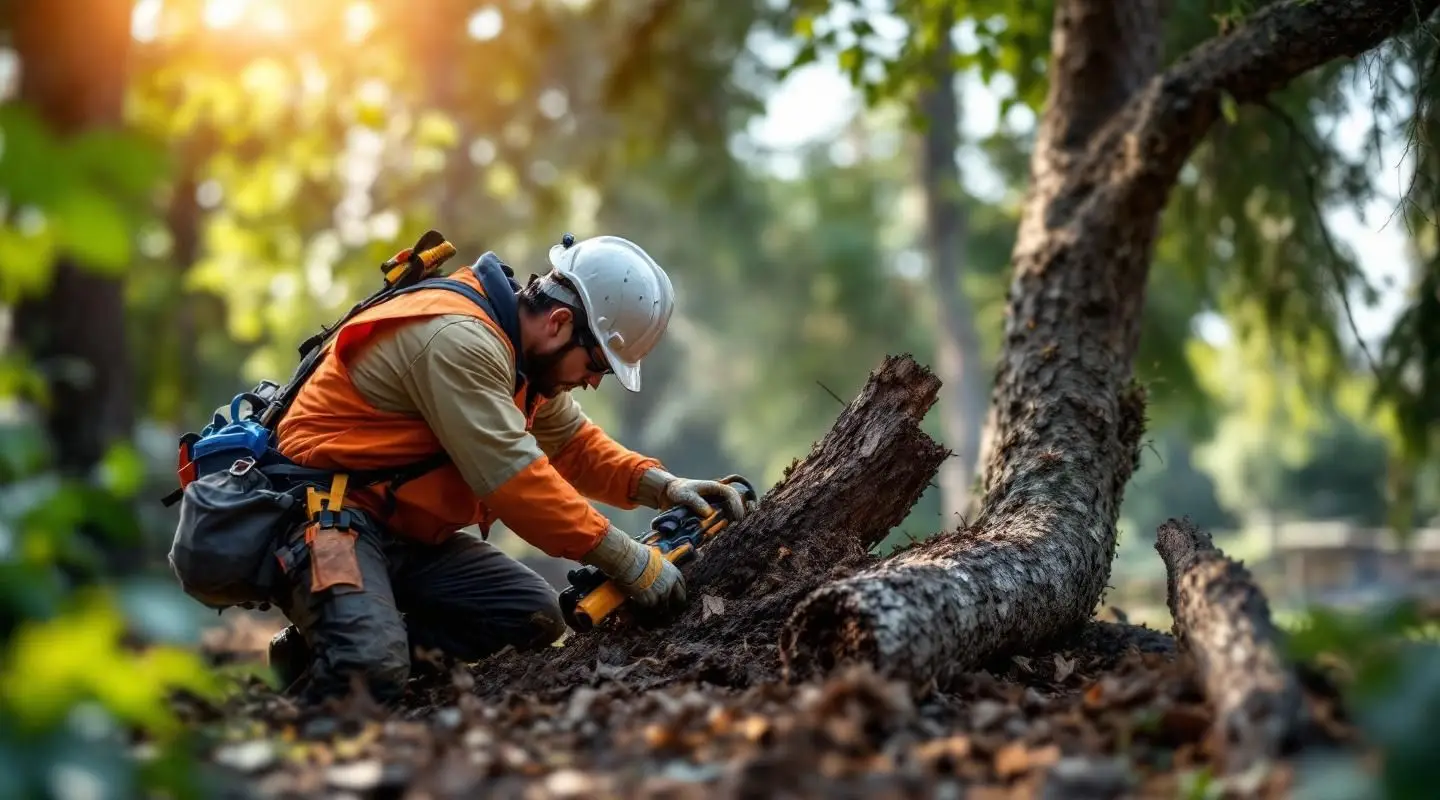
Standing dead trees are a ticking clock in the Pacific Northwest. Between our saturated winter soils and intense windstorms, a dead Douglas fir or big-leaf maple can quickly transition from an eyesore to an immediate threat to your roof, fence, or family. When a tree suffers from severe canopy dieback or structural decay, its wood fibers dry out and become highly unpredictable. Unlike healthy green wood, dead timber snaps without warning under tension, making DIY felling incredibly dangerous.
We do not just show up with chainsaws and start cutting. Our process begins with a thorough hazard tree assessment to evaluate the extent of wood rot, trunk cavity depth, and potential root system failure. If the tree is wedged tight between residential property lines, we use controlled rigging and lowering techniques to systematically dismantle the canopy. This careful chainsaw sectioning ensures that heavy, brittle limbs—often called widow makers—never make uncontrolled contact with your lawn or home.
Navigating the local regulations is another hurdle we handle for you. Portland’s Urban Forestry division has strict rules regarding tree removal on private property, and you often need a permit even if the tree is completely dead. As experienced local professionals, our crew knows exactly which permits are required for different species and trunk diameters in the metro area. We make sure the paperwork is clean, the job is fully insured, and the final debris haul-away leaves your yard looking clean and safe.
Standing dead trees are ticking clocks in the Pacific Northwest. Our wet Oregon winters saturate the soil and speed up structural decay, turning a once-stately Douglas fir into a dangerous hazard. When you choose to remove a dead tree, you instantly eliminate the threat of falling limbs—often called widow makers—that can crush a roof, smash a fence, or injure someone on your property. Our team of experienced technicians performs a thorough hazard tree assessment to plan the safest way down, protecting your home from catastrophic failure before the next big Willamette Valley windstorm hits.
Beyond immediate safety, removing a dead tree halts the spread of destructive pests and pathogens. Wood rot and bark beetle damage don’t just stay confined to one trunk; they easily migrate to your healthy western red cedars or big-leaf maples, threatening your entire landscape. Removing the decaying wood stops canopy dieback from spreading and opens up vital sunlight for understory plants to thrive again. You also avoid the legal liability of a known hazard tree falling onto a neighbor’s driveway, saving you from costly disputes and insurance headaches. We handle the complex rigging and lowering, chainsaw sectioning, and complete debris haul-away so you don’t have to lift a finger.
Immediate Hazard Mitigation — We eliminate dangerous widow makers and unstable limbs before they can crash onto your roof or power lines.
Pest and Disease Control — Removing wood rot and bark beetle damage prevents wood-boring insects from spreading to your healthy trees.
Property Value Protection — Clearing out dead, decaying snags instantly restores your home's curb appeal and opens up natural sunlight.
Liability Risk Reduction — Taking down a known dead tree protects you from costly legal disputes if a storm causes a sudden failure.
Soil and Root Recovery — Removing a failing root system stops fungal decay from spreading through the soil to neighboring plants.
Yes, in many cases you still need a permit even if the tree is completely dead. The city of Portland regulates trees based on their size and location. Under local rules, if a private property tree is over 12 inches in diameter at breast height, you must obtain a permit before cutting it down. For Dead Tree Removal in Portland, the city’s Urban Forestry division offers a retrofitted path for dead or hazardous trees, but skipping the application can result in steep fines. Our team can help you navigate this process or you can apply directly through the Portland Urban Forestry portal. We always verify permit requirements during our initial hazard tree assessment to keep your project fully legal.
The cost of Dead Tree Removal in Portland varies widely, typically ranging from $500 to $3,000 or more. Why such a wide range? It comes down to risk and complexity. Dead trees suffer from structural decay and wood rot, making them highly unpredictable. We cannot safely climb a tree with a compromised trunk cavity or root system failure. Instead, we must use heavy rigging and lowering systems, or even bucket trucks, which increases the time and equipment required. A massive Douglas fir leaning over a house in Portland will cost significantly more than a small, dead ornamental cherry in an open lawn. We provide clear, itemized quotes upfront that include chainsaw sectioning and complete debris haul-away so you face zero surprises.
It is easy to mistake a dormant tree for a dead one, especially during our gloomy Oregon winters. To check, try the scratch test. Use your pocketknife or fingernail to gently scrape a small patch of bark on a few outer twigs. If you find moist, vibrant green wood underneath, the branch is still alive. If it is dry, brittle, and brown, that section is dead. Other warning signs of a dying tree include canopy dieback, deep bark cracks, fungal growth around the base, and severe bark beetle damage. If you notice these symptoms across the entire canopy, it is time to call us. We will send an ISA certified arborist to perform a professional assessment before scheduling any Dead Tree Removal in Portland.
In Oregon, liability usually hinges on negligence. If a healthy tree blows over during a major Willamette Valley storm, insurance companies generally classify it as an “Act of God,” and your neighbor’s homeowners policy will cover their damage. However, if you leave a visibly dead tree standing and it eventually collapses, you can be held legally liable. Insurance adjusters look for pre-existing structural decay or wood rot. If they prove you ignored a known hazard, your insurance might deny the claim, leaving you personally responsible for the bills. Proactive Dead Tree Removal in Portland is the safest way to protect your finances and maintain good relations with your neighbors.
Most residential Dead Tree Removal in Portland projects are completed in a single day. A standard job involving a medium-sized tree usually takes between four to eight hours from the first chainsaw cut to the final debris haul-away. However, stump grinding is a separate process. Because stump extraction requires entirely different heavy machinery, we quote it as an add-on service. If you choose to leave the stump, we will cut the trunk as flush to the ground as possible. If you want it gone, our crew will grind the root ball down below the soil line so you can replant or lay sod over the area.
Leaving a dead Douglas fir or big-leaf maple standing is a dangerous gamble against Oregon’s wet, windy winters. As wood rot eats away at the trunk cavity, the risk of a sudden root system failure or falling widow makers increases with every storm. A professional crew can assess the hazard and safely dismantle the tree before it threatens nearby homes or power lines. Do not wait for a failure.
We believe in straightforward, honest pricing with no surprise fees at the end of the day. When you work with us, our estimate includes the complete rigging, chainsaw sectioning, and thorough cleanup. Contact us today to schedule an on-site evaluation with our team and get a clear plan to secure your yard. We make it simple.
When you have a dead tree on your property, you cannot afford to hire a fly-by-night operation or a generic landscaping crew that lacks specialized rigging skills. At Cascade Tree Works, we bring years of dedicated Pacific Northwest tree care experience directly to your yard. Our crew handles complex dismantling using controlled rigging and lowering techniques, ensuring that brittle, decayed wood does not crash onto your roof or fence. We do not just fell trees; we systematically dismantle them, using precise chainsaw sectioning to keep your surrounding landscape completely safe.
Unlike national chains that treat you like a ticket number, we are locally owned and deeply familiar with Portland’s strict tree ordinances. Every project we undertake is guided by our experienced technicians who understand how to safely navigate structural decay, wood rot, and compromised root systems. We provide upfront, transparent pricing that includes complete debris haul-away, so you are never left with a yard full of heavy logs or surprise cleanup fees. When you choose Cascade Tree Works, you are partnering with a local team that owns the right heavy equipment, carries comprehensive liability insurance, and stands behind every cut we make.
Standing dead trees in the Pacific Northwest are ticking clocks. While a dead Douglas fir or big-leaf maple might look sturdy during a dry August, Oregon’s notoriously wet winters rapidly accelerate wood rot and structural decay. Water traps inside the trunk cavity, softening the wood fibers from the inside out. By the time the atmospheric rivers hit the Willamette Valley in late fall, what once seemed like a solid trunk is now highly susceptible to root system failure. If you ignore canopy dieback or bark beetle damage, you are essentially leaving a massive, heavy sail exposed to high winds, waiting for the perfect storm to bring it down.
The danger is not just the entire tree falling at once. Dead limbs, often called widow makers, can snap without warning on a calm day, threatening anyone walking underneath. When we perform a hazard tree assessment, we look for fungal fruiting bodies, deep cracks, and peeling bark that signal advanced decay. Leaving these hazards standing on your property exposes you to immense liability. In Oregon, if a known dead tree falls and damages a neighbor’s home or vehicle, you can be held legally responsible for neglecting a clear hazard. Taking care of snag removal early prevents catastrophic property damage and keeps your family safe.
Removing a dead tree is significantly more dangerous than felling a healthy one. Decayed wood is brittle and unpredictable, making standard climbing and rigging techniques highly risky. Our experienced technicians use precise rigging and lowering systems to dismantle compromised trees piece by piece. We perform careful chainsaw sectioning to control every fragment, ensuring your home, fences, and landscaping remain completely untouched. With full Oregon workers’ compensation compliance and active general liability insurance, we handle the high-risk work so you do not have to take the gamble yourself.
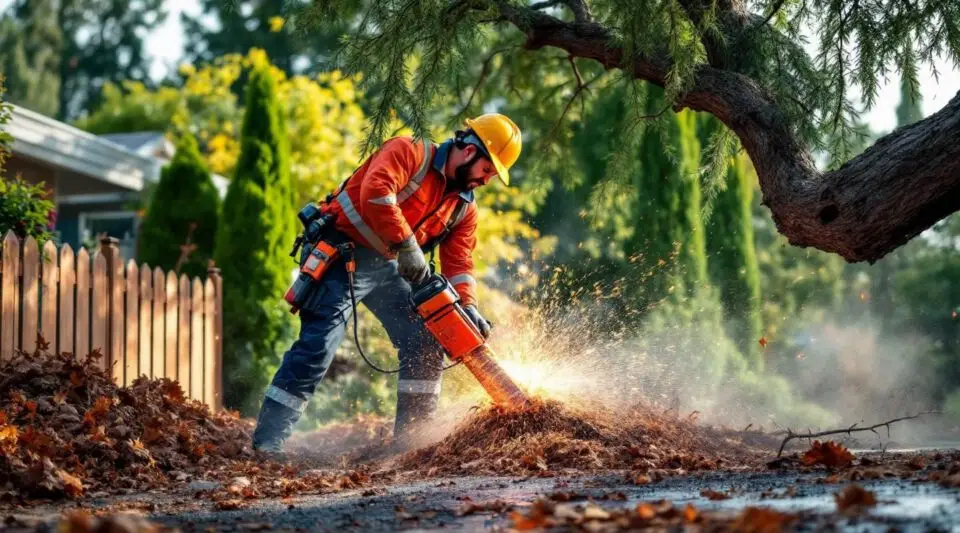
When a winter storm sweeps through the Willamette Valley, saturated soil and heavy gap winds create a recipe for sudden tree failure.
Learn more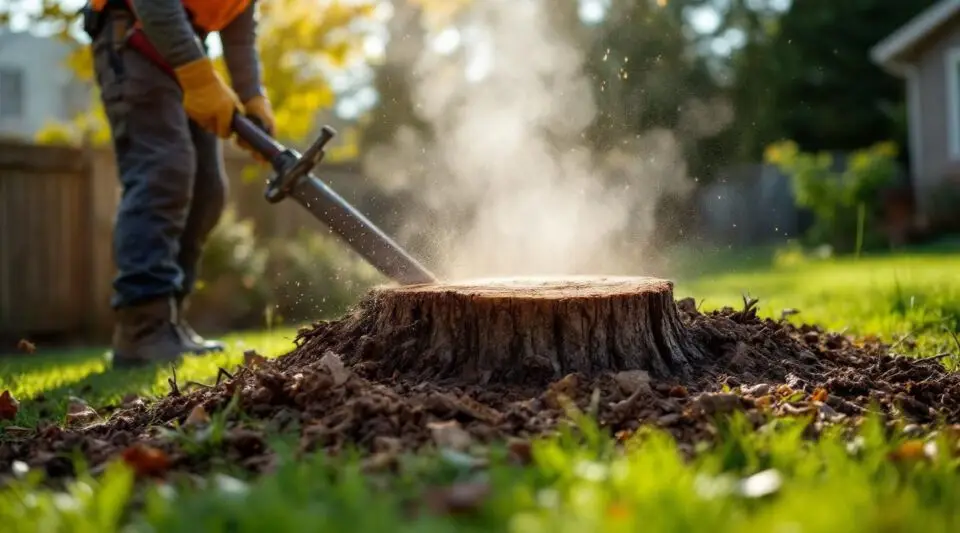
When a tree comes down on your Portland property, the job is only half-finished if you leave the stump behind.
Learn more
Living under the canopy of the Pacific Northwest is one of the best parts of calling this region home, but giant big-leaf maples and towering Douglas firs require careful, active management to thrive in an urban environment.
Learn more
Portland's lush, fast-growing vegetation can turn an unused parcel or backyard expansion into an impenetrable wall of green in just a few seasons.
Learn more
Trees in Vancouver, Washington, face unique environmental pressures.
Learn more
When you are dealing with towering Douglas firs or sprawling big-leaf maples on your Portland property, guessing at the cost of tree care is a recipe for frustration.
Learn more
Living in Portland means sharing our neighborhoods with massive, beautiful trees.
Learn more
Leaving a tree stump behind after a removal is like leaving a job half-done.
Learn more
Living in Portland means sharing our yards with massive Douglas firs, big-leaf maples, and western red cedars.
Learn more
Living in the Pacific Northwest means sharing our yards with massive, beautiful trees, but Oregon's wet winters and heavy clay soils can quietly compromise their stability over time.
Learn more
Living in the Pacific Northwest means sharing our properties with massive, beautiful native species like Douglas firs, western red cedars, and sprawling big-leaf maples.
Learn more
Leaving a stump behind after a tree removal is like leaving a construction project half-finished.
Learn more
Living in Portland means sharing your property with some of the most magnificent, fast-growing trees in the country.
Learn more
Overgrown acreage can quickly stall your building plans or landscape projects in Southwest Washington.
Learn more
When a massive Douglas fir or big-leaf maple starts showing signs of distress on your property, you do not just need someone with a chainsaw.
Learn more
Felling a mature tree in Portland is never a matter of just firing up a chainsaw and hoping for the best.
Learn more
Large trees like Douglas firs, Western red cedars, and bigleaf maples define our Pacific Northwest landscape, but they pose massive risks when they decay, split, or lean heavily toward your roof.
Learn more
Living among Portland's iconic canopy is one of the best parts of residing in the Pacific Northwest, but mature Douglas firs, western red cedars, and massive big-leaf maples require real vigilance.
Learn more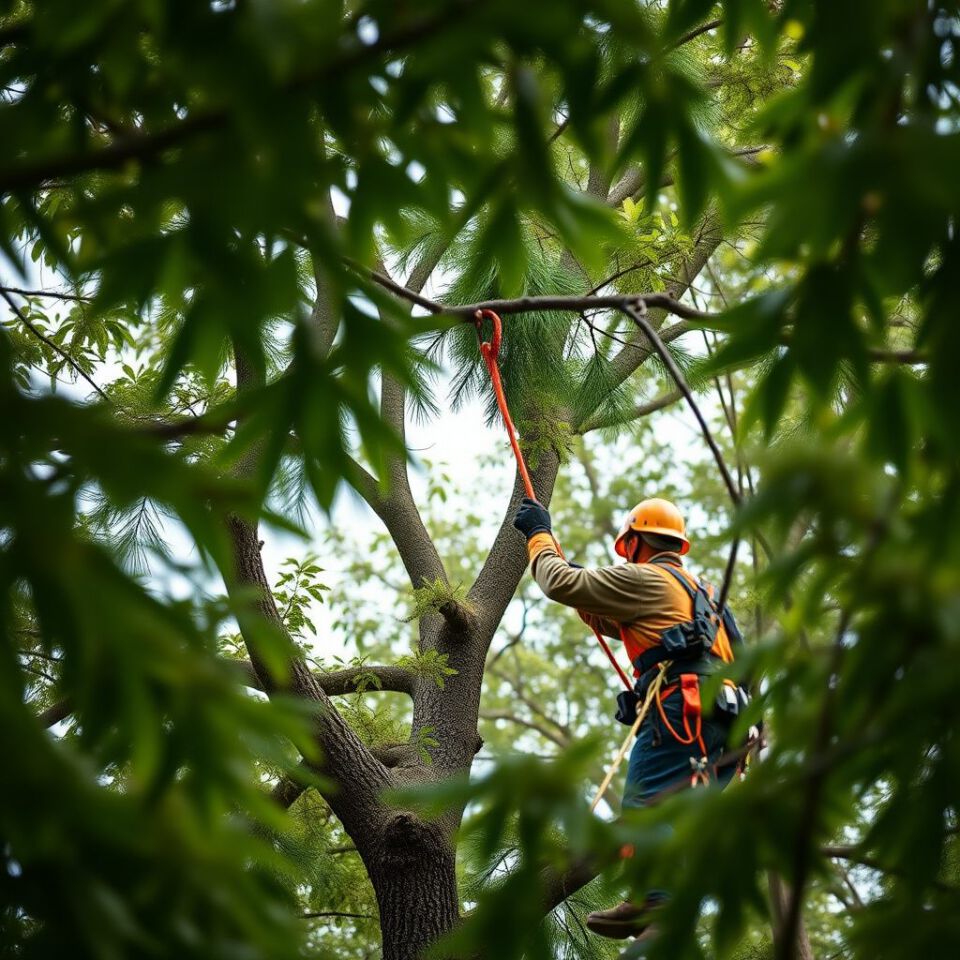
Living in Portland means sharing our properties with massive Douglas firs, sprawling big-leaf maples, and delicate ornamental cherries.
Learn moreWhen a winter storm sweeps through the Willamette Valley, saturated soil and heavy gap winds create a recipe for sudden tree failure.
Learn moreLiving under the canopy of the Pacific Northwest is one of the best parts of calling this region home, but giant big-leaf maples and towering Douglas firs require careful, active management to thrive in an urban environment.
Learn morePortland's lush, fast-growing vegetation can turn an unused parcel or backyard expansion into an impenetrable wall of green in just a few seasons.
Learn moreTrees in Vancouver, Washington, face unique environmental pressures.
Learn moreWhen you are dealing with towering Douglas firs or sprawling big-leaf maples on your Portland property, guessing at the cost of tree care is a recipe for frustration.
Learn moreLiving in Portland means sharing our neighborhoods with massive, beautiful trees.
Learn moreLeaving a tree stump behind after a removal is like leaving a job half-done.
Learn moreLiving in Portland means sharing our yards with massive Douglas firs, big-leaf maples, and western red cedars.
Learn moreLiving in the Pacific Northwest means sharing our yards with massive, beautiful trees, but Oregon's wet winters and heavy clay soils can quietly compromise their stability over time.
Learn moreLiving in the Pacific Northwest means sharing our properties with massive, beautiful native species like Douglas firs, western red cedars, and sprawling big-leaf maples.
Learn moreLeaving a stump behind after a tree removal is like leaving a construction project half-finished.
Learn moreLiving in Portland means sharing your property with some of the most magnificent, fast-growing trees in the country.
Learn moreOvergrown acreage can quickly stall your building plans or landscape projects in Southwest Washington.
Learn moreWhen a massive Douglas fir or big-leaf maple starts showing signs of distress on your property, you do not just need someone with a chainsaw.
Learn moreFelling a mature tree in Portland is never a matter of just firing up a chainsaw and hoping for the best.
Learn moreLarge trees like Douglas firs, Western red cedars, and bigleaf maples define our Pacific Northwest landscape, but they pose massive risks when they decay, split, or lean heavily toward your roof.
Learn moreLiving among Portland's iconic canopy is one of the best parts of residing in the Pacific Northwest, but mature Douglas firs, western red cedars, and massive big-leaf maples require real vigilance.
Learn moreLiving in Portland means sharing our properties with massive Douglas firs, sprawling big-leaf maples, and delicate ornamental cherries.
Learn moreI had a big old tree in my backyard that was more of a danger than anything recently. It was leaning dangerously close to the home after a storm so I called this tree service. Right from the beginning they were really responsive and easy to work with. They were there to check out the situation and described the tree removal process in a way that made sense and without trying to upsell unneeded services. The crew arrived on time on the day of the project and were very efficient. Most of all I liked that they were careful with my property and did not destroy the plants and structures near the tree when they removed it. They did the tree stump removal and left the yard clean and ready to use again. Also very helpful in advising me on future maintenance like tree cutting and pruning to avoid problems like this again. Service was smooth and professional and would be happy to use them again if I had need.
Dayna Griffin