Lake Oswego, OR
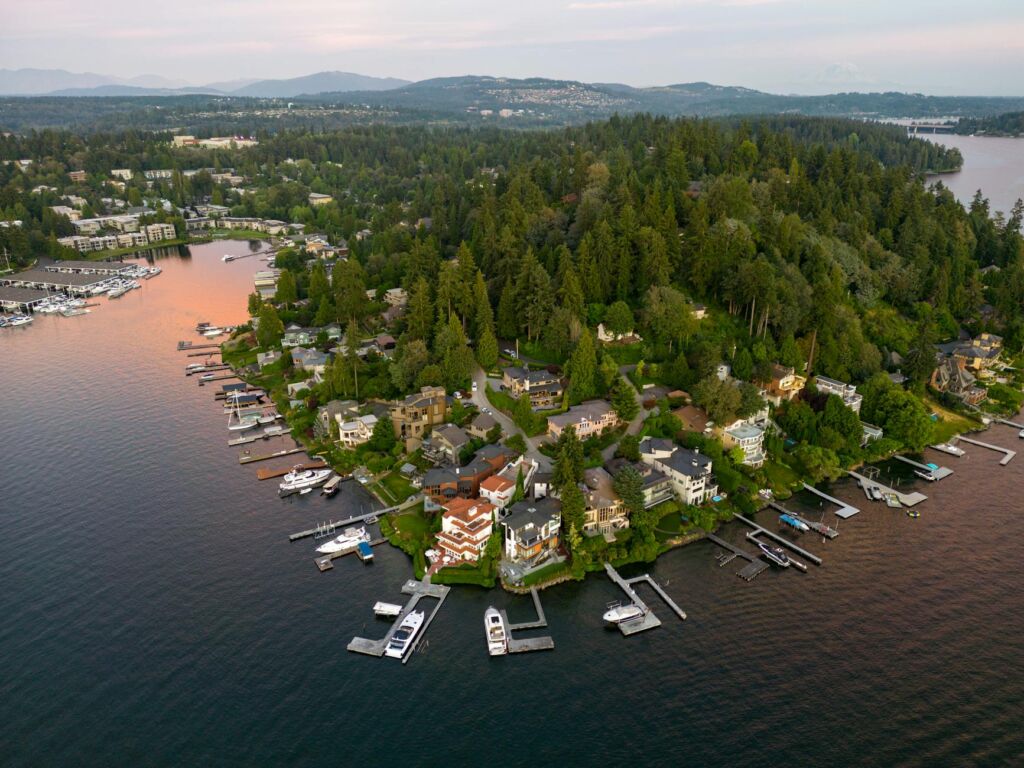
Lake Oswego is defined by its lush, mature tree canopy, where towering Douglas firs, big-leaf maples, and historic Oregon white oaks frame beautiful lakefront properties and steep-slope residential lots. However, the same dense foliage that gives neighborhoods like Mountain Park and Palisades their distinct character also presents significant challenges. Saturated soils from the Willamette Valley’s wet winters, combined with severe windstorms, can quickly turn a majestic conifer into a hazardous liability.
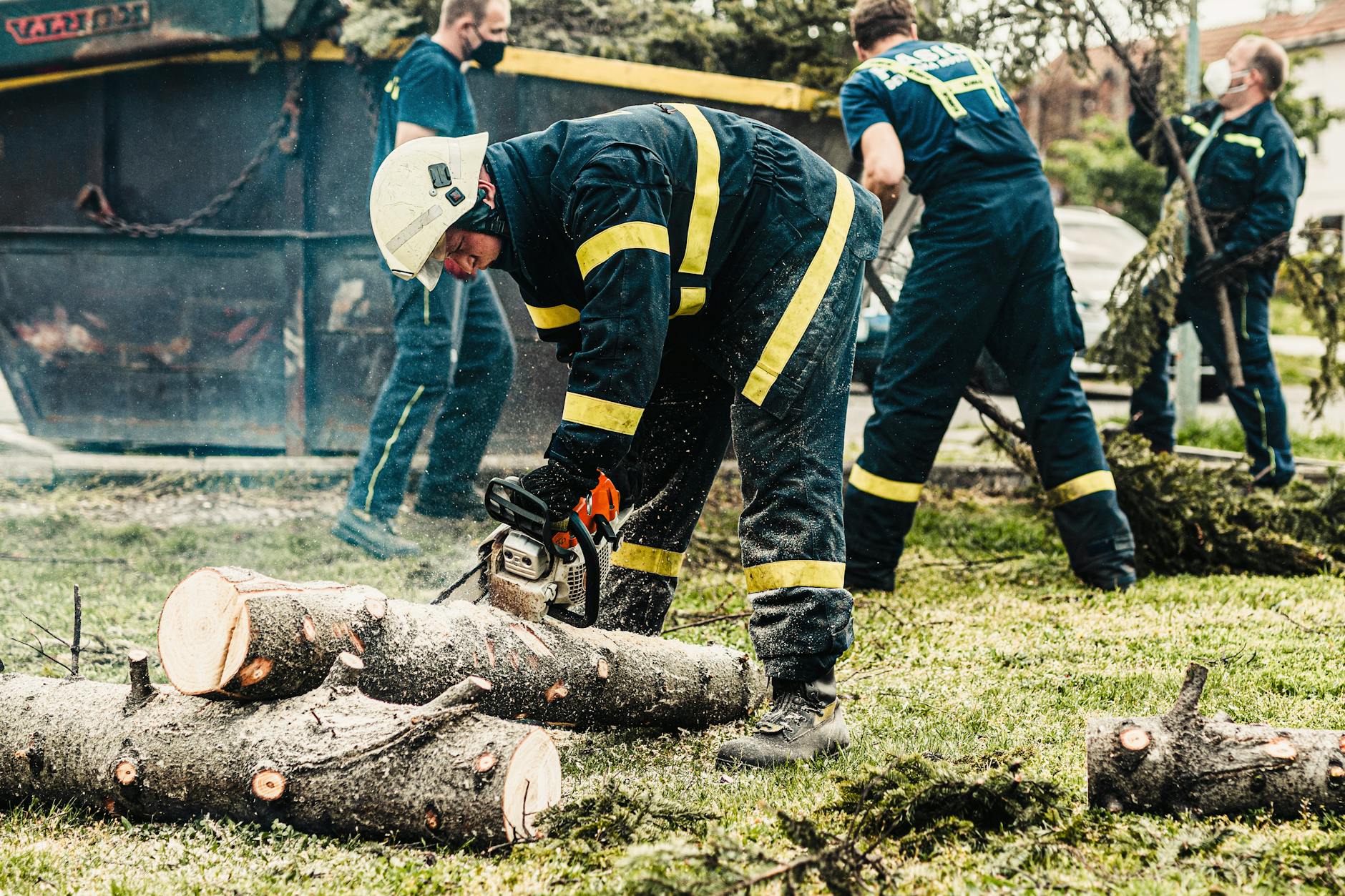
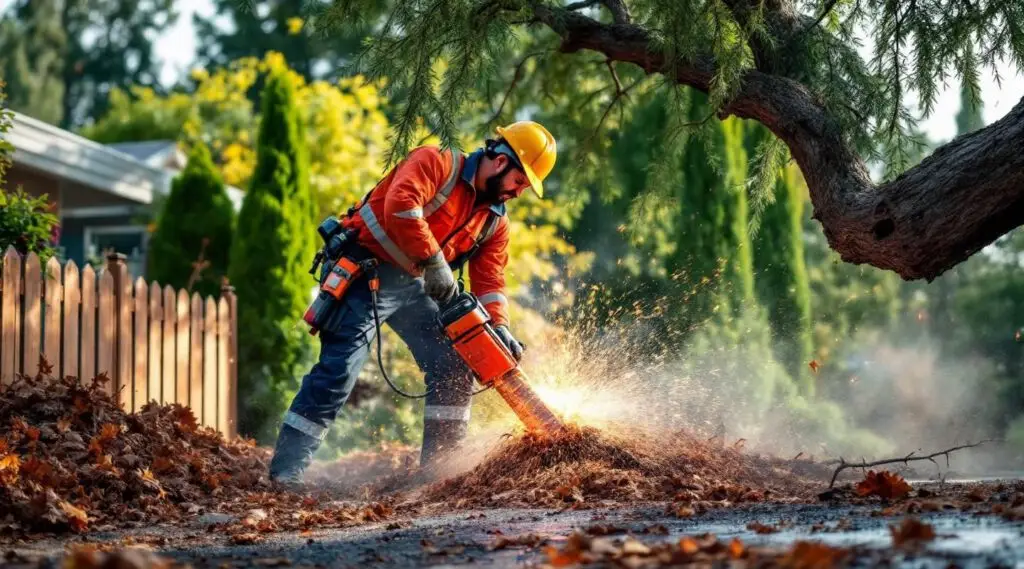
Managing these massive trees requires deep local expertise and precise execution. Whether you are dealing with a leaning hazard tree on a steep hillside or need proactive canopy thinning to protect your roofline from overhanging limbs, our crew provides comprehensive solutions. We specialize in low-impact removals, utilizing advanced rigging techniques to safely dismantle large trees in tight spaces without damaging your landscape, home, or neighboring structures.
Navigating the local regulatory landscape is just as critical as the physical work itself. The city enforces strict guidelines under its Tree Canopy and Urban Forestry Code, making unauthorized removals a costly mistake. Our team guides you through the entire process, helping you secure the necessary Clackamas County permit or city approvals before any work begins. To explore how we can help protect your property, you can view all our services to find the right care plan for your landscape.
| Monday | 9:00 AM – 7:00 PM |
|---|---|
| Tuesday | 9:00 AM – 7:00 PM |
| Wednesday | 9:00 AM – 7:00 PM |
| Thursday | 9:00 AM – 7:00 PM |
| Friday | 9:00 AM – 7:00 PM |
| Saturday | 9:00 AM – 7:00 PM |
| Sunday | 9:00 AM – 7:00 PM |
Tree care in Lake Oswego requires more than just a chainsaw and a truck. With steep hillside lots in Mountain Park, delicate lakefront shorelines, and strict municipal tree canopy codes, property owners need a team that possesses both technical rigging expertise and a deep understanding of local regulations.
We approach every project with a commitment to safety, property protection, and minimal landscape disruption. Our crew utilizes specialized low-impact equipment and advanced rigging techniques to safely dismantle large hazard trees in confined residential spaces, ensuring your home, lawn, and neighboring structures remain completely untouched.
From the narrow, historic streets of First Addition to the expansive, wooded properties of Uplands and Hallinan Heights, every neighborhood in Lake Oswego has unique landscape management needs. Older residential lots often feature mature ornamental trees like Japanese maples and copper beeches that require delicate pruning to maintain structural health, while larger properties may face complex challenges like root intrusion into sewer lines or foundations.
We offer a full suite of services tailored to these local conditions. Our capabilities range from large-scale lot clearing and hazard tree removal to precise crown reduction and stump grinding. We understand how to balance the aesthetic desires of lakefront property owners with the strict environmental and erosion control regulations that govern the Oswego Lake shoreline, ensuring your project is fully compliant and visually stunning.

When a winter storm sweeps through the Willamette Valley, saturated soil and heavy gap winds create a recipe for sudden tree failure.
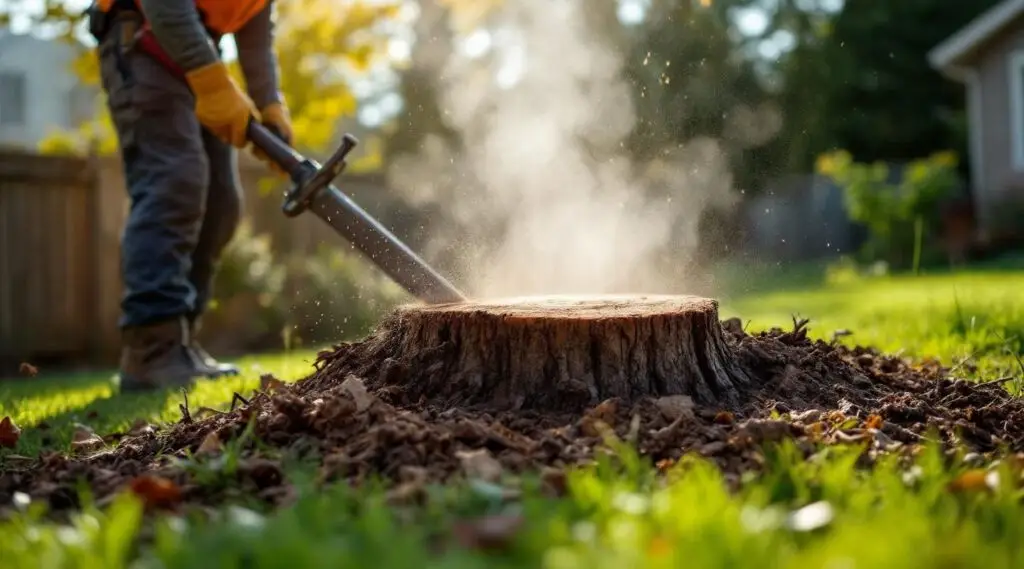
When a tree comes down on your Lake Oswego property, the job is only half-finished if you leave the stump behind.
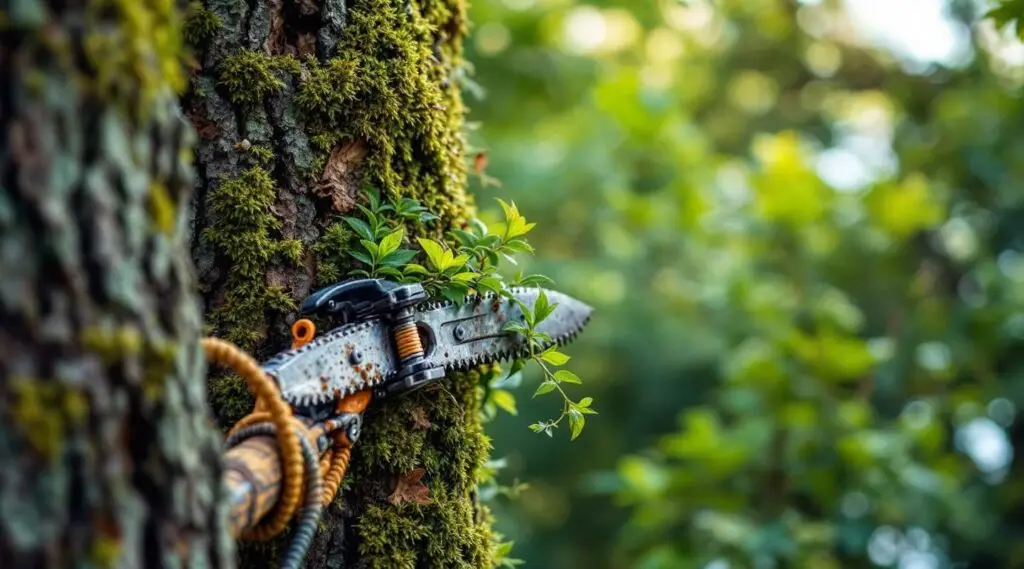
Living under the canopy of the Pacific Northwest is one of the best parts of calling this region home, but giant big-leaf maples and towering Douglas firs require careful, active management to thrive in an urban environment.
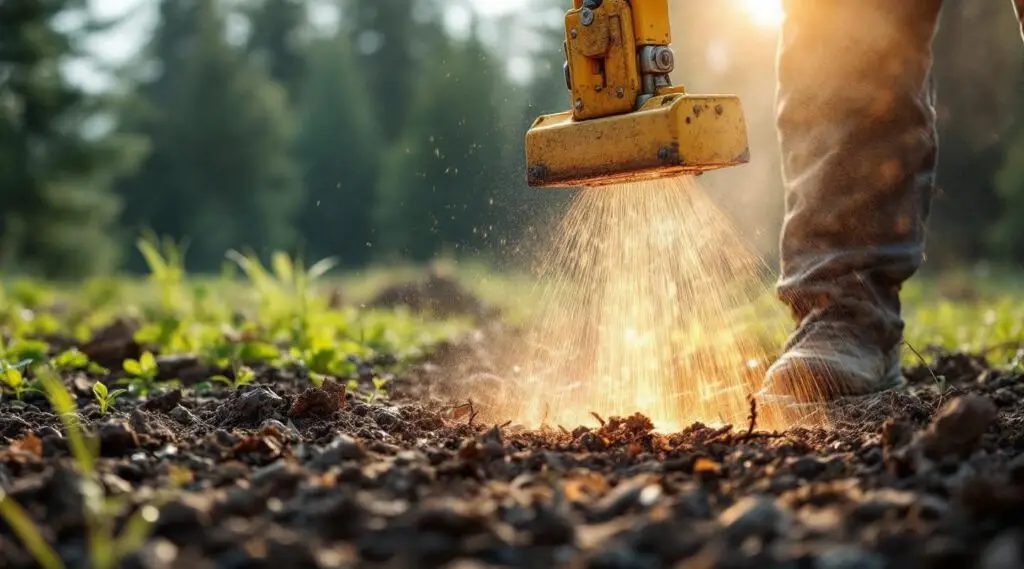
Lake Oswego's lush, fast-growing vegetation can turn an unused parcel or backyard expansion into an impenetrable wall of green in just a few seasons.
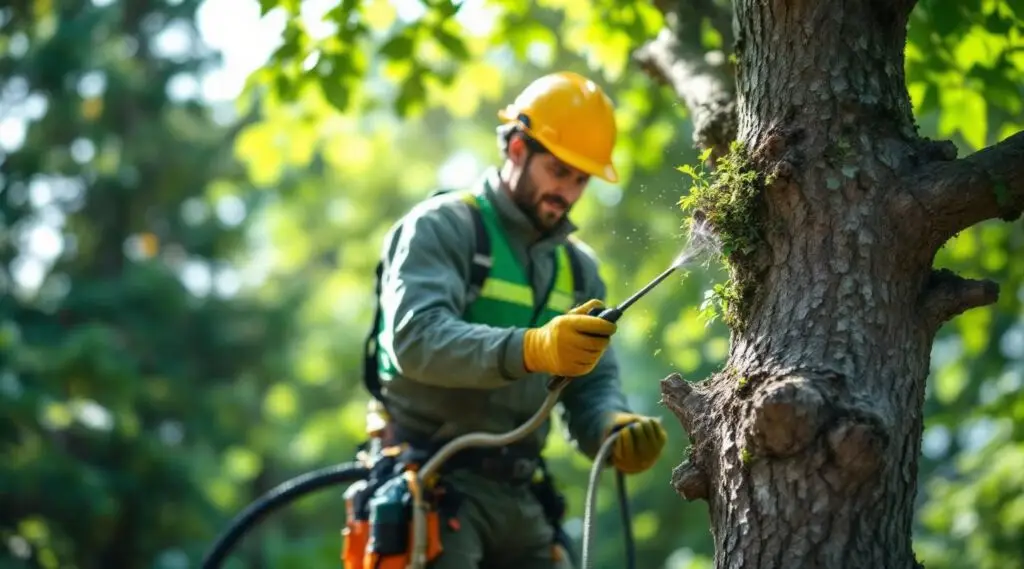
Trees in Vancouver, Washington, face unique environmental pressures.
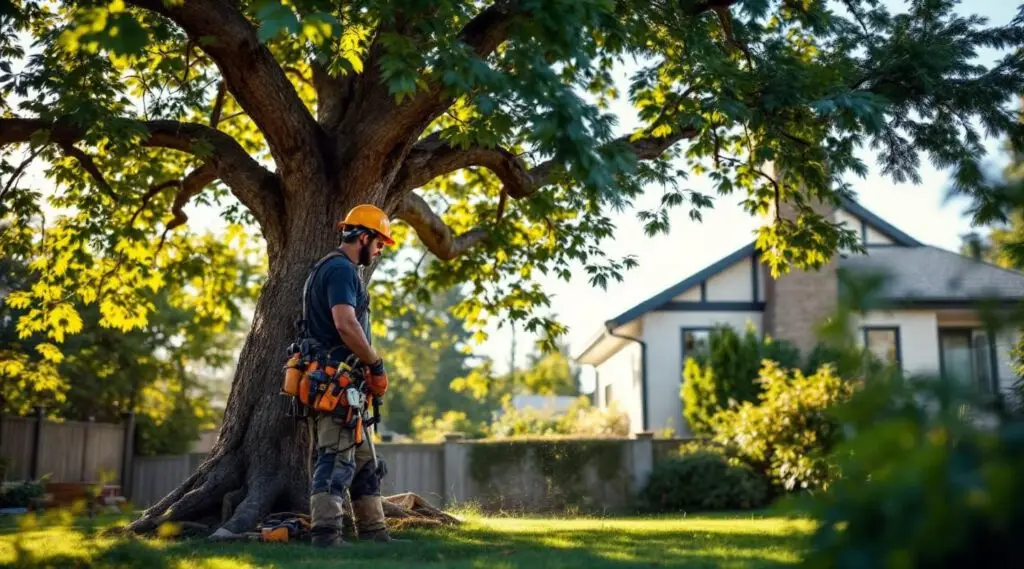
When you are dealing with towering Douglas firs or sprawling big-leaf maples on your Lake Oswego property, guessing at the cost of tree care is a recipe for frustration.

Living in Lake Oswego means sharing our neighborhoods with massive, beautiful trees.
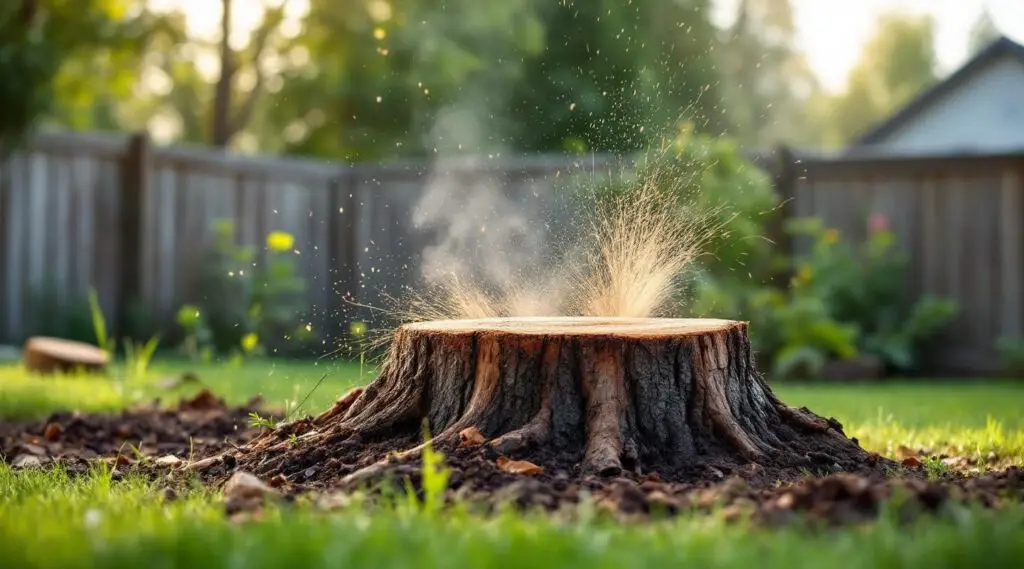
Leaving a tree stump behind after a removal is like leaving a job half-done.
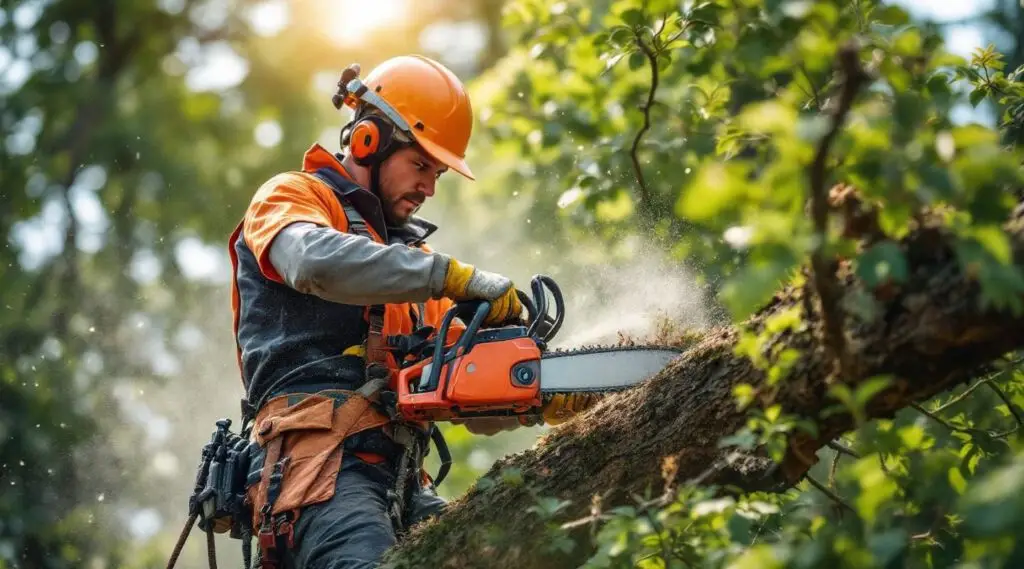
Living in Lake Oswego means sharing our yards with massive Douglas firs, big-leaf maples, and western red cedars.
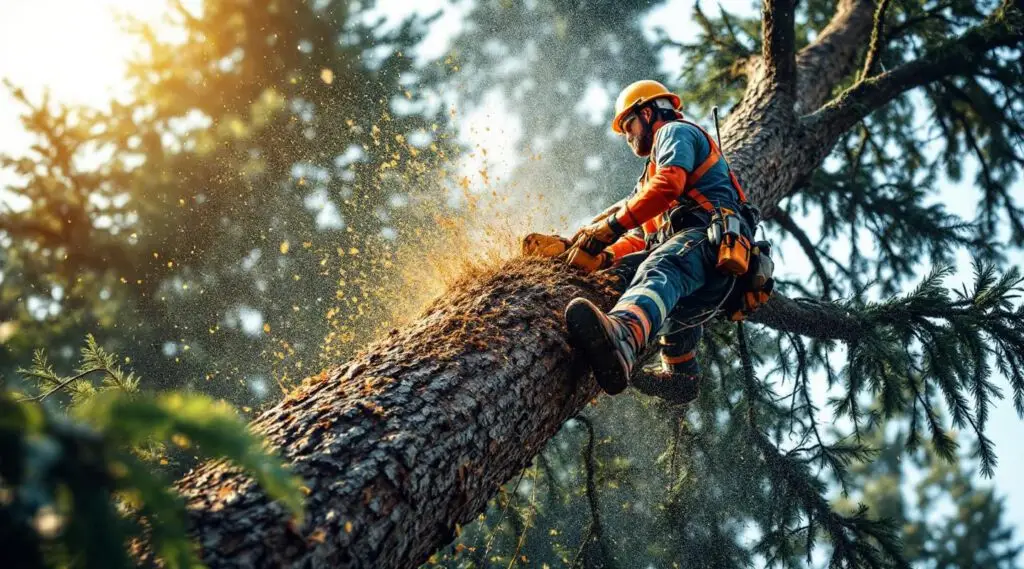
Living in the Pacific Northwest means sharing our yards with massive, beautiful trees, but Oregon's wet winters and heavy clay soils can quietly compromise their stability over time.
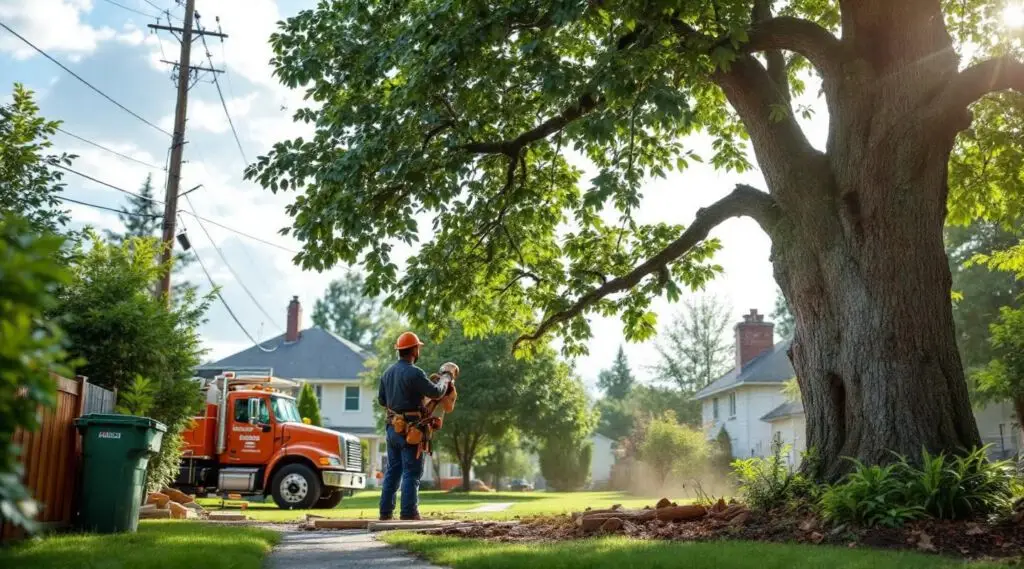
Living in the Pacific Northwest means sharing our properties with massive, beautiful native species like Douglas firs, western red cedars, and sprawling big-leaf maples.
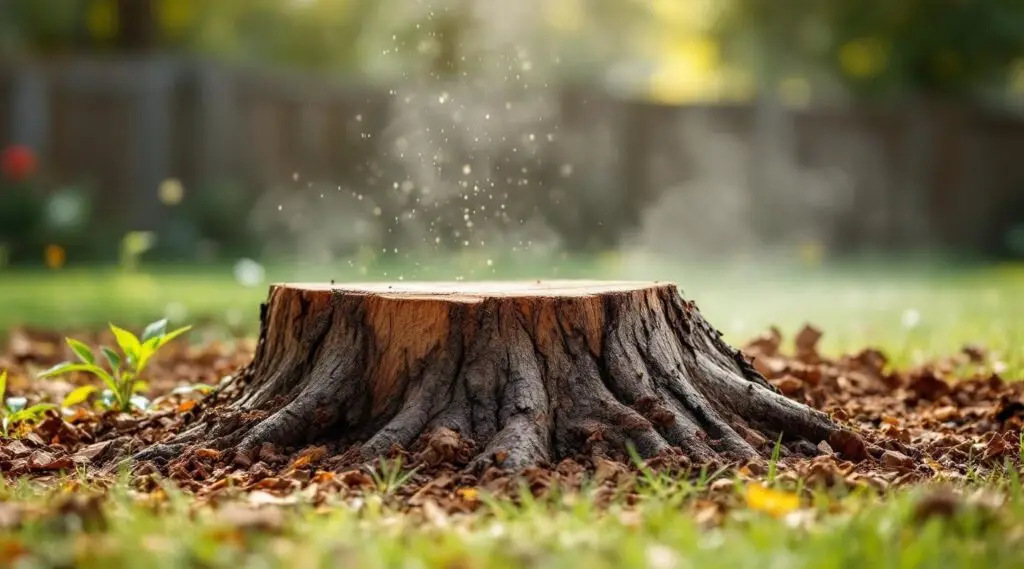
Leaving a stump behind after a tree removal is like leaving a construction project half-finished.
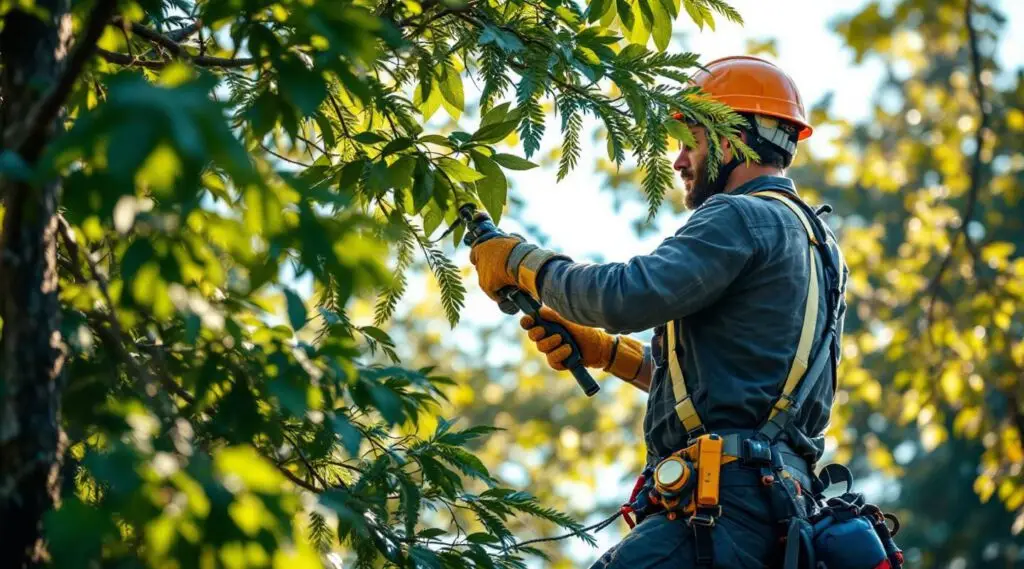
Living in Lake Oswego means sharing your property with some of the most magnificent, fast-growing trees in the country.
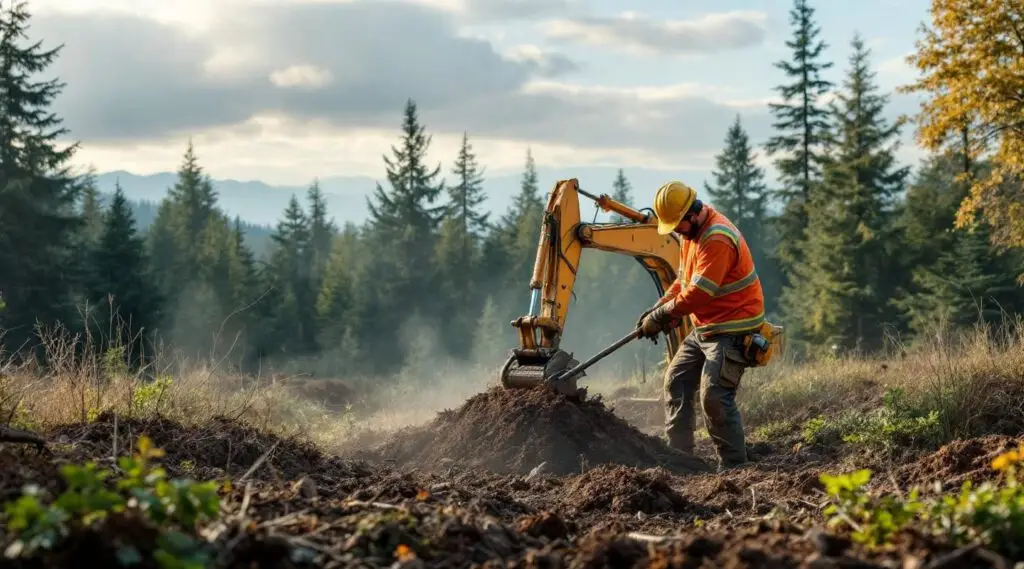
Overgrown acreage can quickly stall your building plans or landscape projects in Southwest Washington.
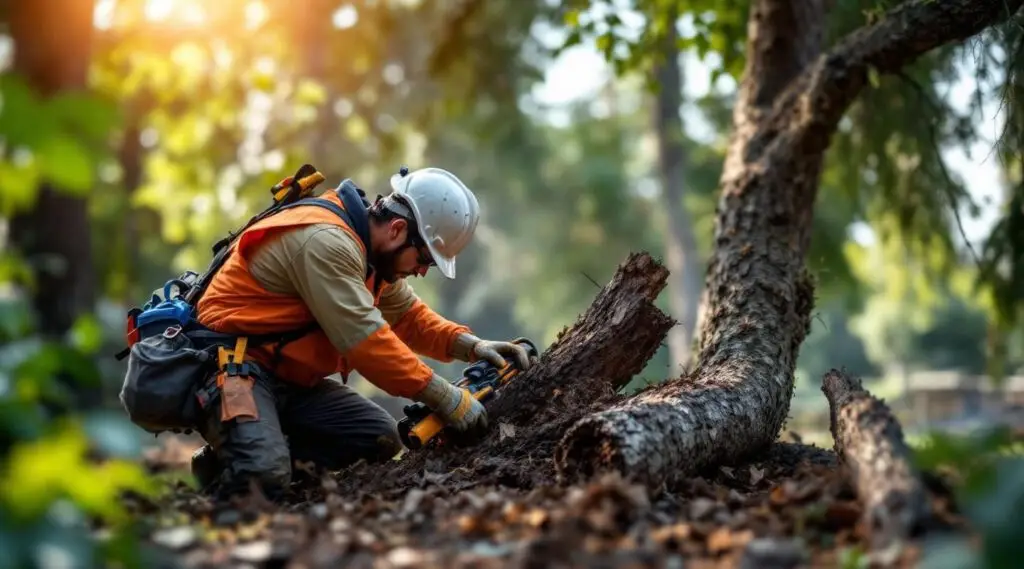
Standing dead trees are a ticking clock in the Pacific Northwest.
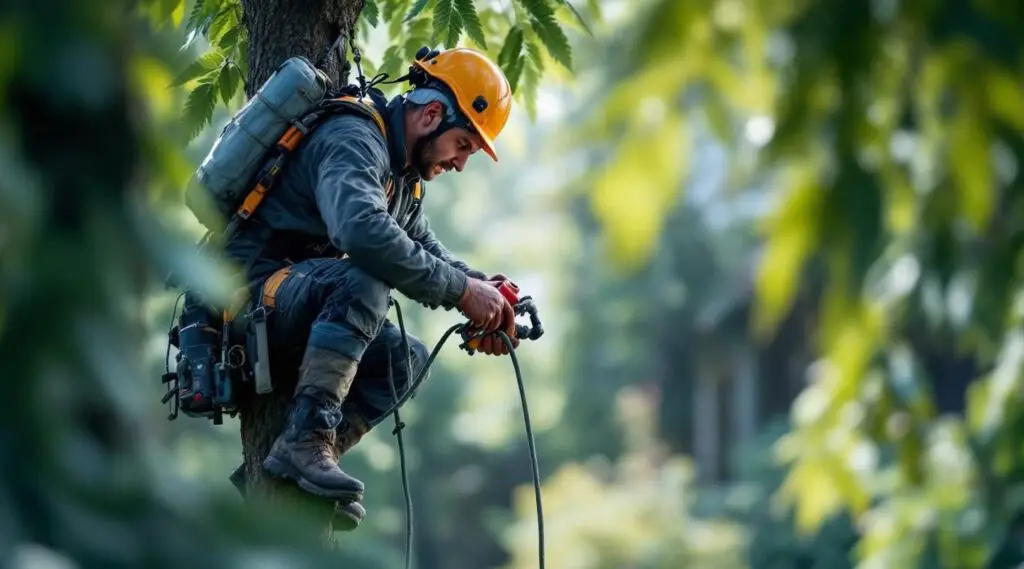
When a massive Douglas fir or big-leaf maple starts showing signs of distress on your property, you do not just need someone with a chainsaw.
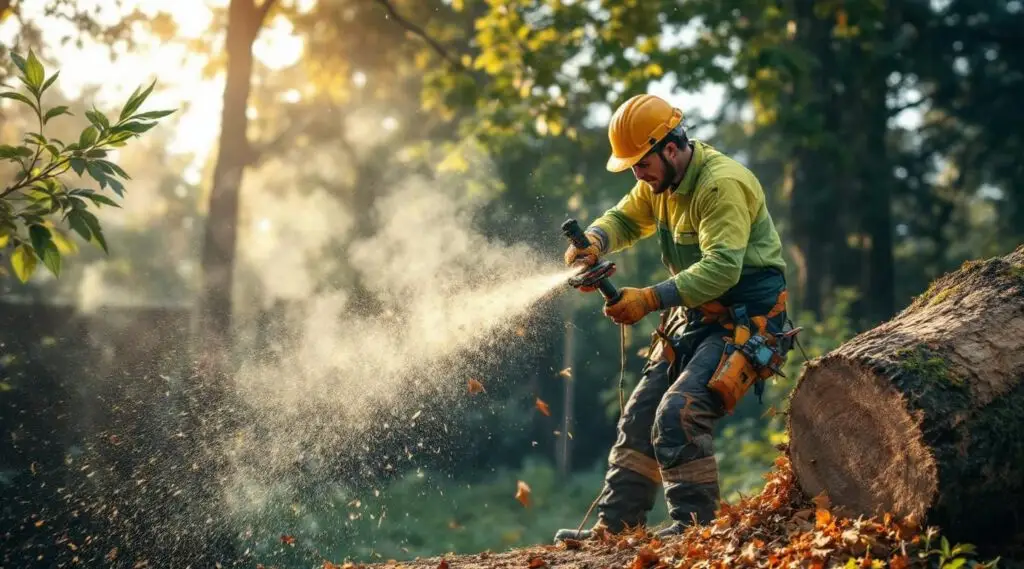
Felling a mature tree in Lake Oswego is never a matter of just firing up a chainsaw and hoping for the best.
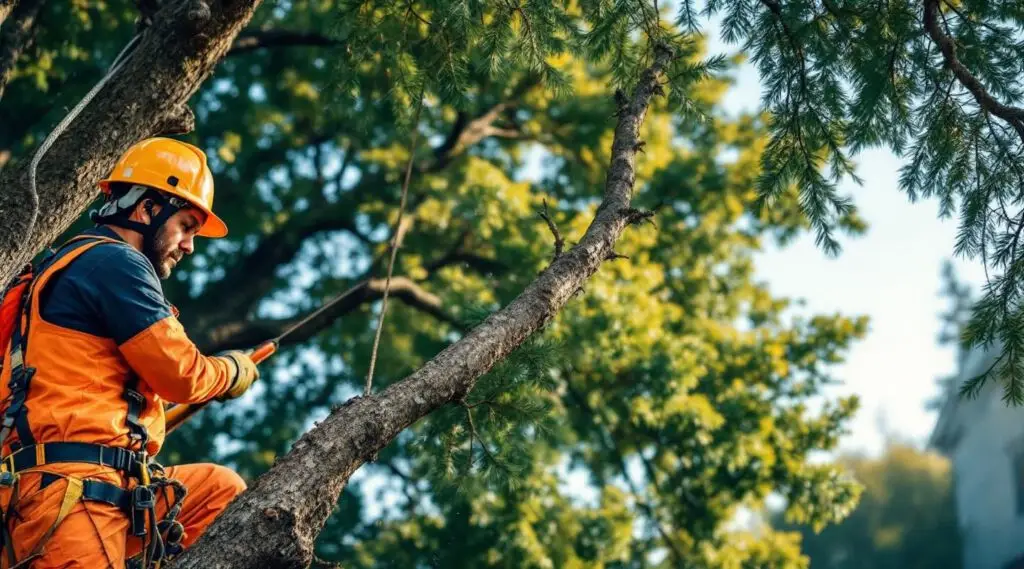
Large trees like Douglas firs, Western red cedars, and bigleaf maples define our Pacific Northwest landscape, but they pose massive risks when they decay, split, or lean heavily toward your roof.
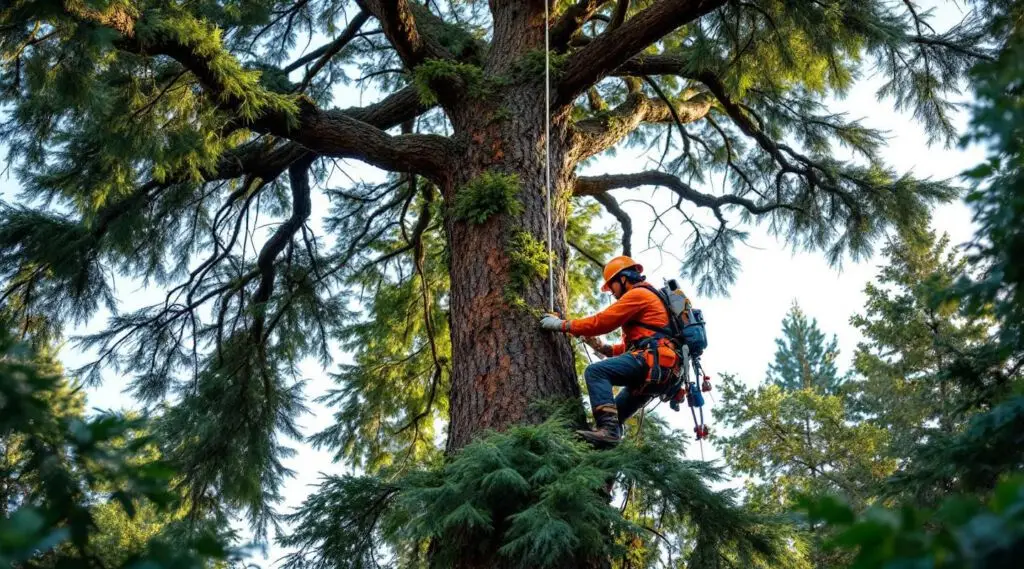
Living among Lake Oswego's iconic canopy is one of the best parts of residing in the Pacific Northwest, but mature Douglas firs, western red cedars, and massive big-leaf maples require real vigilance.
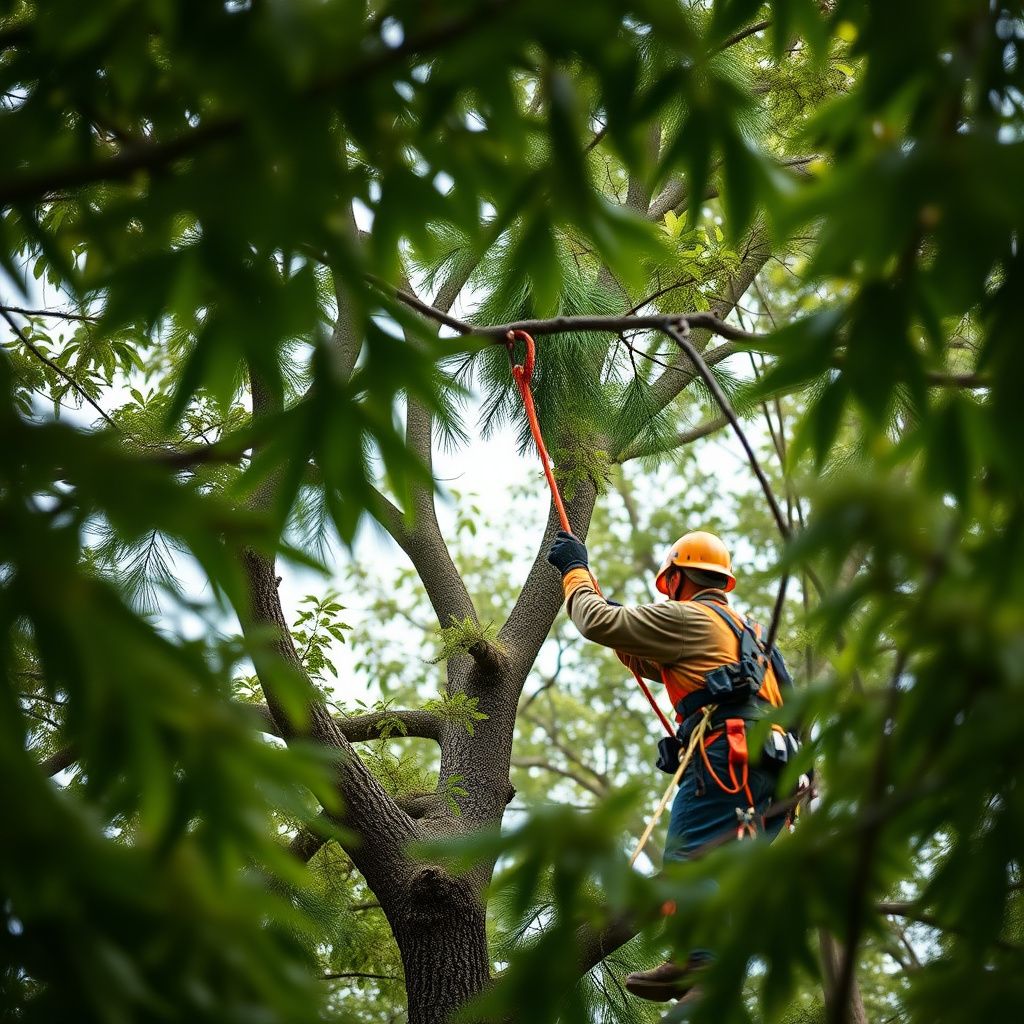
Living in Lake Oswego means sharing our properties with massive Douglas firs, sprawling big-leaf maples, and delicate ornamental cherries.
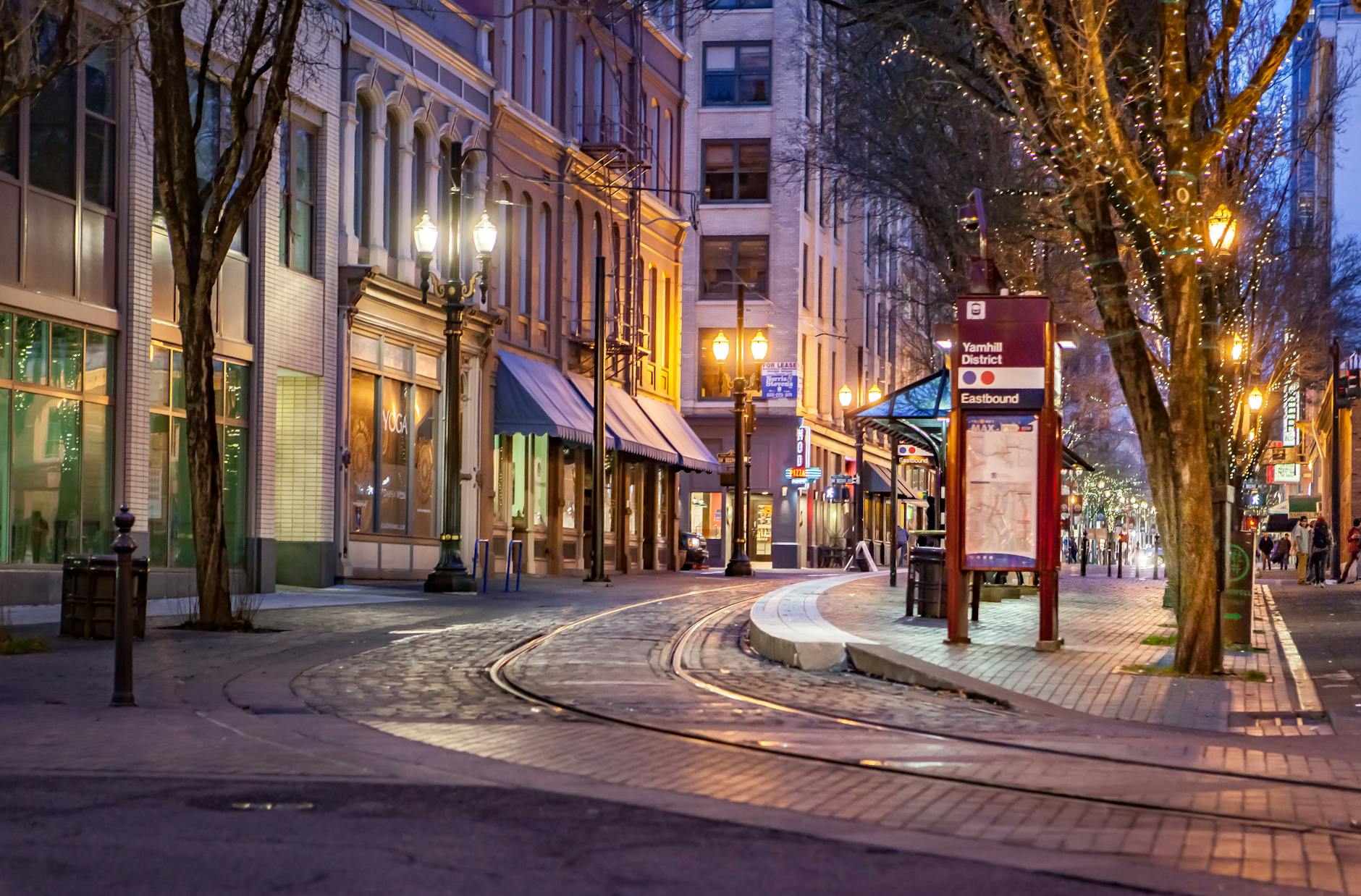
At Cascade Tree Works, we believe that professional tree care is a blend of safety, ecological responsibility, and technical skill. Our team is led by experienced professionals who understand the unique growth patterns, soil conditions, and climate challenges of the Willamette Valley. We don’t just cut down trees; we evaluate the entire micro-environment of your property to recommend the safest, most sustainable course of action.
We are fully licensed, insured, and deeply familiar with the local municipal codes that govern the urban forest in Clackamas County. When you partner with Cascade Tree Works, you are choosing an experienced crew that prioritizes low-impact techniques, thorough cleanup, and transparent communication from the initial consultation to the final sweep of sawdust.
Originally founded as a hub for the Oregon iron industry in the late 19th century, Lake Oswego has evolved into one of the most picturesque residential communities in the Portland metro area. The city’s development was intentionally designed around its natural topography, centering on the 405-acre Oswego Lake and preserving vast stands of native Douglas fir and Oregon white oak. This deliberate integration of nature and architecture gives neighborhoods like First Addition and Old Town their timeless, forested charm.
The visual character of the city is defined by this mature urban forest, which provides shade, stabilizes steep hillsides, and frames the elegant homes along the waterfront. However, as these trees reach maturity—often standing 100 to 150 feet tall—they require active management to prevent structural failures. Saturated winter soils and high winds pose ongoing risks, making professional hazard assessments a vital part of property maintenance in the area.
Today, the community’s commitment to its green heritage is reflected in strict local ordinances designed to protect the canopy while ensuring public safety. Balancing these preservation goals with the practical realities of property protection is where expert tree care becomes essential. By understanding the historical context and ecological needs of Lake Oswego’s trees, we help homeowners maintain safe, beautiful landscapes that honor the city’s rich natural legacy.
Lake Oswego is renowned for its exceptional natural beauty, where manicured public spaces and preserved natural areas reflect the community’s deep connection to the Pacific Northwest landscape. From the vibrant community hub of Millennium Plaza Park to the quiet, wooded trails of Tryon Creek, the city seamlessly integrates urban living with the surrounding forest.
Maintaining this unique balance requires active stewardship of both public and private lands. As you explore the local parks and scenic waterfronts, it is easy to see why preserving the tree canopy is such a high priority for residents and city planners alike. To learn more about our service footprint across the region, you can view all service areas we support.
Millennium Plaza Park – A scenic downtown park featuring a large stone fireplace, lake views, and the weekly Lake Oswego Farmers' Market.
George Rogers Park – Lake Oswego's oldest community park, offering access to the Willamette River, historic iron furnace ruins, and athletic fields.
Tryon Creek State Natural Area – A massive, forested state park straddling the city border, featuring miles of hiking, horse, and bicycle trails through dense second-growth forest.
Oswego Lake Country Club – A historic, private golf club established in 1924, known for its challenging course and beautiful views of the surrounding hills.
At Cascade Tree Works, we understand that inviting a tree service crew onto your property requires a high degree of trust. That is why we promise to treat your home and landscape with the utmost respect. We don’t consider a job complete until the wood is hauled away, the sawdust is swept, and your yard is left as clean—if not cleaner—than we found it.
We stand behind the quality of our work and the safety of our methods. Our experienced crew utilizes advanced rigging techniques and low-impact equipment specifically chosen to minimize turf damage and protect your delicate ornamental plants. When you choose us, you are partnering with a team that values clear communication, honest pricing, and absolute accountability from start to finish.
Below are common questions:
Yes, in most cases you do. Lake Oswego enforces a strict Tree Canopy and Urban Forestry Code that requires a permit for the removal of any tree over 5 inches in diameter at breast height (DBH) on private property. There are specific exceptions for emergency situations, but even then, documentation is required. Our team is highly experienced with the Lake Oswego Tree Removal Permits process and can help you prepare the necessary arborist reports and submit the paperwork to Clackamas County or the city planning department to ensure full compliance.
The cost of tree removal in Lake Oswego varies widely depending on the size of the tree, its species, its location on your property, and the level of risk involved. A standard removal of a medium-sized tree might range from $800 to $1,500, while a massive, hazardous Douglas fir on a steep slope or near a structure requiring advanced rigging or crane assistance can cost $2,000 to $5,000 or more. We provide free, transparent, on-site estimates to give you an accurate price tailored to your specific situation.
During severe weather, saturated soils and high winds can cause sudden tree failures. If a tree has fallen on your home, blocked your driveway, or is leaning dangerously over power lines, you should call Cascade Tree Works immediately. We offer rapid-response emergency tree removal services throughout Lake Oswego to stabilize the hazard, clear debris, and secure your property. For downed power lines, always contact Portland General Electric first before any tree work begins.
Yes, Lake Oswego has one of the most comprehensive tree protection ordinances in the Portland metro area. The city’s regulations are designed to preserve the dense canopy that defines the local character. This means that healthy, native species like the Oregon white oak and Douglas fir are highly protected, and property owners must demonstrate that a tree is hazardous, dead, or causing significant structural damage before a removal permit will be approved.
Identifying a hazard tree requires a professional eye, but there are several warning signs Lake Oswego homeowners should look for. These include a sudden lean, visible cracks in the trunk, mushrooms growing around the base (indicating root rot), dieback in the upper canopy, or large dead branches. If you notice any of these symptoms on a mature Douglas fir, especially after a wet winter, contact us for a professional assessment to prevent potential property damage.
I had a big old tree in my backyard that was more of a danger than anything recently. It was leaning dangerously close to the home after a storm so I called this tree service. Right from the beginning they were really responsive and easy to work with. They were there to check out the situation and described the tree removal process in a way that made sense and without trying to upsell unneeded services. The crew arrived on time on the day of the project and were very efficient. Most of all I liked that they were careful with my property and did not destroy the plants and structures near the tree when they removed it. They did the tree stump removal and left the yard clean and ready to use again. Also very helpful in advising me on future maintenance like tree cutting and pruning to avoid problems like this again. Service was smooth and professional and would be happy to use them again if I had need.
Dayna Griffin