- (517) 743-9070
- 399 SW Madison St, Portland, OR, Portland, OR 97204
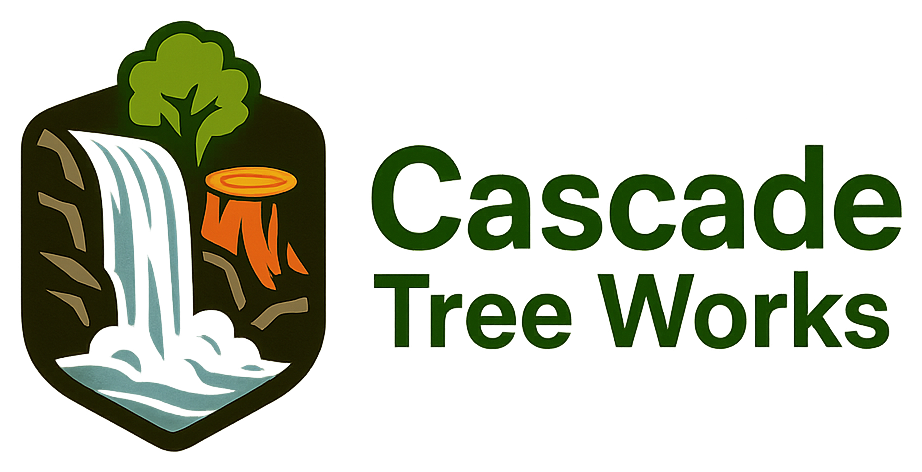
Trees in Vancouver, Washington, face unique environmental pressures. Our wet, mild winters and dry summers create a perfect breeding ground for destructive pathogens like phytophthora root rot and various fungal canker strains. When a mature Douglas fir or a prized ornamental maple starts showing signs of distress, you cannot afford to guess at the cause. A professional tree risk assessment is the first step toward understanding whether your tree is suffering from a temporary environmental stressor or a progressive, fatal infection. Our team at Cascade Tree Works approaches every property with a diagnostic mindset, looking closely at the soil, bark, and canopy before recommending any action.
Early detection is everything. If you notice crown dieback, premature leaf drop, or unusual weeping on the trunk, these are warning signs that cambium layer damage is already underway. Left unaddressed, a simple foliar disease or an active bark beetle infestation can quickly destabilize a mature tree, turning a beautiful landscape asset into a high-risk liability. Before you assume a sick tree is a lost cause and needs complete removal, let an ISA certified arborist evaluate the structural and biological health of your canopy. Many common Pacific Northwest tree diseases can be halted or managed if we catch them before the vascular system is completely compromised.
Our treatment strategies are tailored specifically to Clark County’s native and ornamental species. We do not believe in blanket chemical spraying that harms the surrounding ecosystem. Instead, we use targeted trunk injection methods and macro-infusion treatment protocols to deliver systemic fungicides and insecticides directly where the tree needs them most. This precise delivery method treats issues like anthracnose and verticillium wilt from the inside out, protecting your soil and beneficial insects. If you are worried about the health of your trees, let our experienced technicians provide a clear, honest diagnosis and a practical path forward to save your landscape.
When a mature Douglas fir or big-leaf maple on your Vancouver property starts showing signs of struggle, it is easy to feel overwhelmed by conflicting advice. You might notice early crown dieback or strange spots on the leaves, wondering if the tree is just thirsty or facing a terminal decline. In Clark County, our wet winters and mild summers create a perfect breeding ground for destructive pathogens. Catching issues like phytophthora root rot or a fungal canker early means we can often save the tree through targeted therapies rather than resigning it to an expensive removal. It is about protecting your home’s canopy before minor damage becomes a major safety hazard.
Our approach focuses on precise, science-based intervention rather than guesswork. By bringing in our experienced technicians to evaluate your soil and bark, we identify the exact stressor—whether it is soil compaction suffocating the root system or an active bark beetle infestation. We use targeted methods like trunk injection or deep root fertilization to deliver treatments directly where the tree can use them, bypassing the need for widespread chemical spraying. This targeted approach protects the surrounding landscape while giving your mature trees the best possible chance at a full recovery. We work to restore the cambium layer damage and stop foliar disease in its tracks.
Targeted Trunk Injections — We deliver systemic treatments directly into the vascular system to combat active pests and diseases without spraying chemicals into the air.
Soil Remediation — We address severe soil compaction and root rot issues to restore vital oxygen and nutrient flow to struggling root zones.
Fungal Disease Control — Our team halts aggressive pathogens like anthracnose and verticillium wilt before they can cause permanent cambium layer damage.
Arborist-Led Diagnostics — Every assessment is guided by an ISA certified arborist to ensure we treat the root cause, not just the visible symptoms.
Risk Reduction — Identifying structural weaknesses early prevents diseased limbs from failing during our intense Pacific Northwest winter storms.
It is easy to confuse seasonal drought stress with a serious pathogen. If you scrape a small twig and see brown instead of green, you have cambium layer damage. Fungal canker or crown dieback usually points to systemic issues rather than simple thirst. When we perform a Tree Health Assessment & Disease Treatment in Vancouver, we look deep into the soil compaction around the roots. For homeowners in the Portland metro area, our team uses specialized tools to test wood density before recommending any treatment.
Not every sick tree is a lost cause. Many homeowners worry they will waste money on treatments only to face a removal bill later. If the structural integrity is sound, we can often arrest issues like phytophthora or anthracnose. Through targeted trunk injection or macro-infusion treatment, we deliver fungicides directly into the vascular system. Our goal with Tree Health Assessment & Disease Treatment in Vancouver is to preserve your canopy. If you want to explore options for your property in the Portland area, you can browse all our services to see how we stabilize weak trees.
Our wet winters and mild summers create a perfect breeding ground for fungal pathogens. We frequently diagnose verticillium wilt, root rot, and foliar disease on native species. Douglas firs often battle bark beetle infestation, while maples suffer from anthracnose. Identifying these early requires local expertise. When conducting a Tree Health Assessment & Disease Treatment in Vancouver, we evaluate the specific environmental stressors of the Portland region. For more information on regional tree care standards, you can consult the Pacific Northwest Chapter of the ISA.
Cost depends entirely on the tree’s size and the treatment complexity. A basic tree risk assessment is highly affordable compared to a full emergency removal. If we need to perform a macro-infusion treatment for a massive historic oak, the price scales with the trunk diameter. However, early intervention prevents the spread of pathogens to adjacent trees. Investing in Tree Health Assessment & Disease Treatment in Vancouver protects your property value across the Portland metro. We always provide transparent, upfront pricing so you can make an informed financial decision.
Don’t wait until crown dieback or a spreading fungal canker forces a costly removal. If you notice early warning signs like premature leaf drop, oozing bark, or unusual fungal growths around the base of your Douglas fir or Oregon white oak, our ISA certified arborists can help. We can run a thorough tree risk assessment and design a targeted recovery plan using trunk injection or deep root fertilization to stop pathogens in their tracks.
You can consult with our crew to diagnose exactly what is stressing your landscape. Let’s protect your property’s mature canopy and prevent infections from spreading to your healthy trees.
When you notice crown dieback or suspect a bark beetle infestation, you do not need a generic landscaping crew or a national franchise that relies on cookie-cutter solutions. You need local specialists who understand the unique soil compaction and moisture profiles of Clark County. At Cascade Tree Works, we do not guess. Our diagnostics are led by an ISA certified arborist who understands how our wet PNW winters and dry summers trigger fungal canker and verticillium wilt in native Douglas firs and ornamental maples.
We differ from break-fix operations because we focus on preserving your trees whenever possible, rather than rushing straight to expensive removals. Our technicians hold valid Washington Department of Agriculture pesticide applicator licenses, allowing us to safely administer precise trunk injection and macro-infusion treatment options. When you partner with our team, you get direct communication with the practitioner performing the work on your property. We combine deep regional expertise with upfront, transparent pricing so you can make informed decisions about your landscape’s long-term health.
Our wet winters and mild summers in Clark County create a perfect breeding ground for destructive fungal pathogens like phytophthora root rot and anthracnose. You might notice a few yellowing leaves or minor crown dieback and assume your tree is just experiencing typical seasonal stress. However, beneath the bark, a fungal canker or verticillium wilt could be quietly destroying the tree’s vital cambium layer damage. Ignoring these quiet warning signs often transforms a highly treatable issue into an expensive, hazardous emergency removal situation later on.
Proactive diagnosis prevents catastrophic property damage during our intense winter storms. When soil compaction starves root systems of oxygen, trees lose their natural defenses and become easy targets for a devastating bark beetle infestation. By scheduling a professional tree risk assessment, you get a clear, science-based look at what is happening inside the trunk. Our experienced technicians use targeted trunk injection methods to deliver protective treatments directly into the vascular system, stopping decay before it compromises the structural integrity of your Douglas fir or big-leaf maple.
Saving a mature tree is always more cost-effective than removing one. A grand Oregon white oak adds immense aesthetic and financial value to your property, but replacing its canopy is virtually impossible in a lifetime. Early intervention with a macro-infusion treatment or deep root fertilization can reverse decline and restore vigor for a fraction of the cost of crane-assisted removal. We focus on accurate, honest diagnoses so you never waste money on ineffective treatments for a tree that is already past the point of recovery.
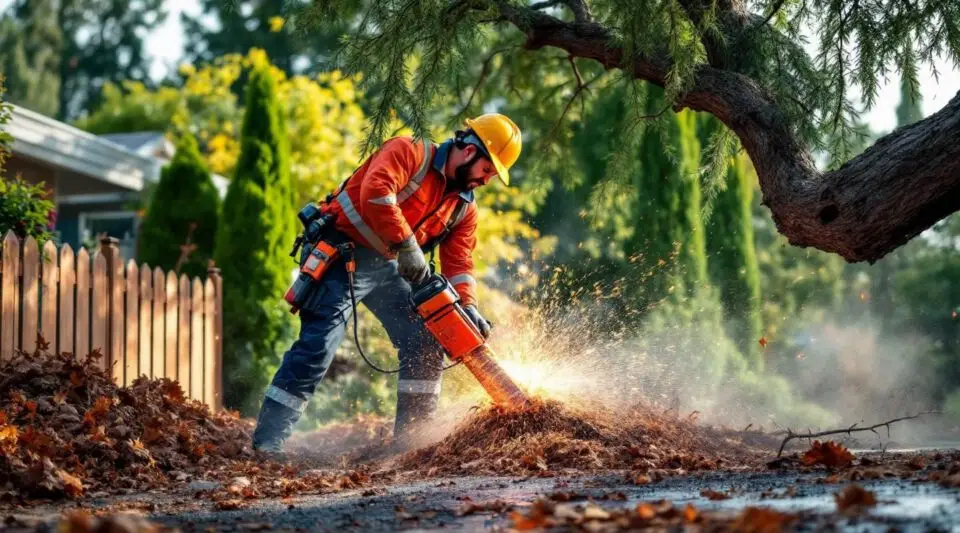
When a winter storm sweeps through the Willamette Valley, saturated soil and heavy gap winds create a recipe for sudden tree failure.
Learn more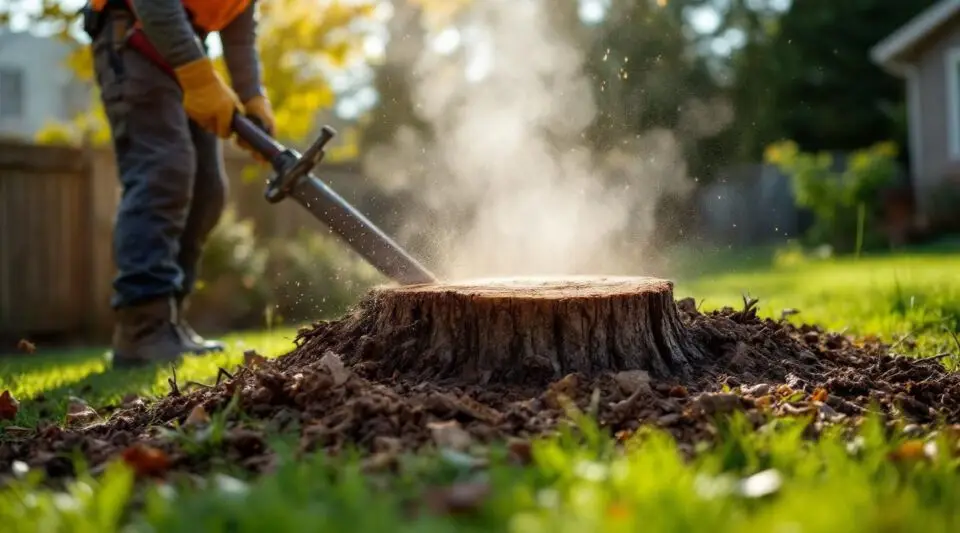
When a tree comes down on your Portland property, the job is only half-finished if you leave the stump behind.
Learn more
Living under the canopy of the Pacific Northwest is one of the best parts of calling this region home, but giant big-leaf maples and towering Douglas firs require careful, active management to thrive in an urban environment.
Learn more
Portland's lush, fast-growing vegetation can turn an unused parcel or backyard expansion into an impenetrable wall of green in just a few seasons.
Learn more
When you are dealing with towering Douglas firs or sprawling big-leaf maples on your Portland property, guessing at the cost of tree care is a recipe for frustration.
Learn more
Living in Portland means sharing our neighborhoods with massive, beautiful trees.
Learn more
Leaving a tree stump behind after a removal is like leaving a job half-done.
Learn more
Living in Portland means sharing our yards with massive Douglas firs, big-leaf maples, and western red cedars.
Learn more
Living in the Pacific Northwest means sharing our yards with massive, beautiful trees, but Oregon's wet winters and heavy clay soils can quietly compromise their stability over time.
Learn more
Living in the Pacific Northwest means sharing our properties with massive, beautiful native species like Douglas firs, western red cedars, and sprawling big-leaf maples.
Learn more
Leaving a stump behind after a tree removal is like leaving a construction project half-finished.
Learn more
Living in Portland means sharing your property with some of the most magnificent, fast-growing trees in the country.
Learn more
Overgrown acreage can quickly stall your building plans or landscape projects in Southwest Washington.
Learn more
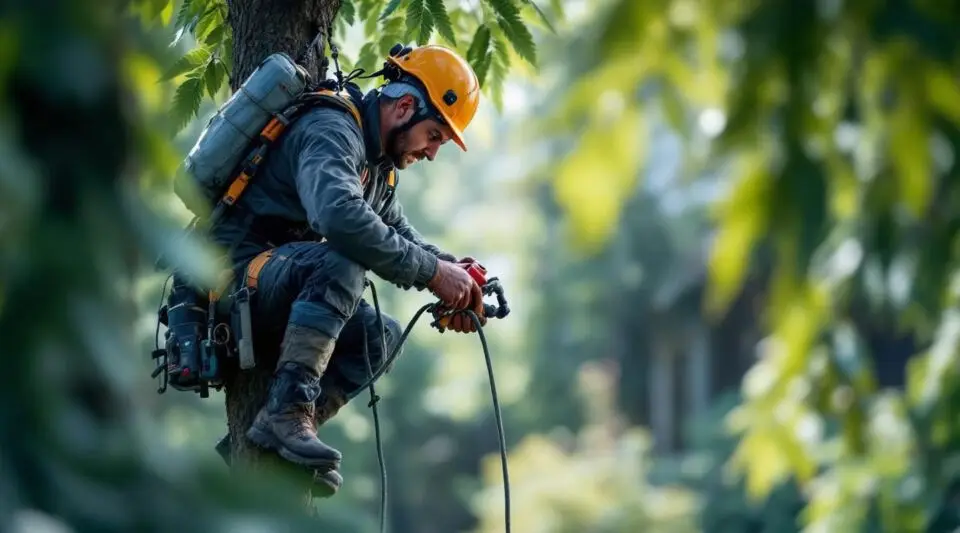
When a massive Douglas fir or big-leaf maple starts showing signs of distress on your property, you do not just need someone with a chainsaw.
Learn more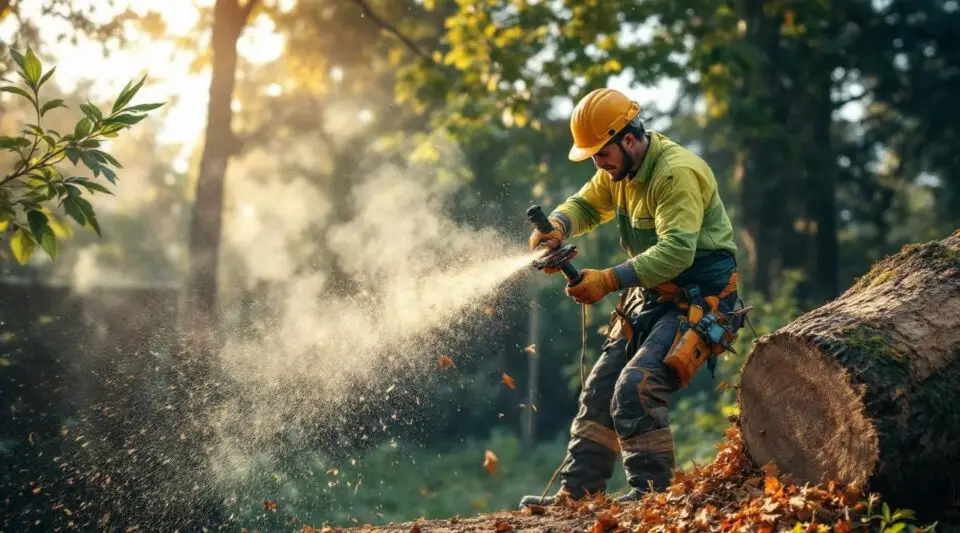
Felling a mature tree in Portland is never a matter of just firing up a chainsaw and hoping for the best.
Learn more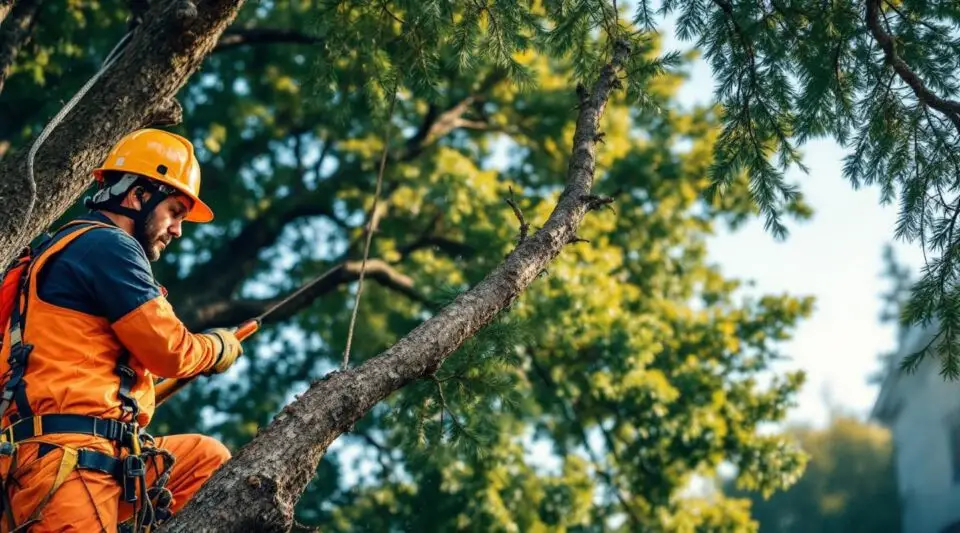
Large trees like Douglas firs, Western red cedars, and bigleaf maples define our Pacific Northwest landscape, but they pose massive risks when they decay, split, or lean heavily toward your roof.
Learn more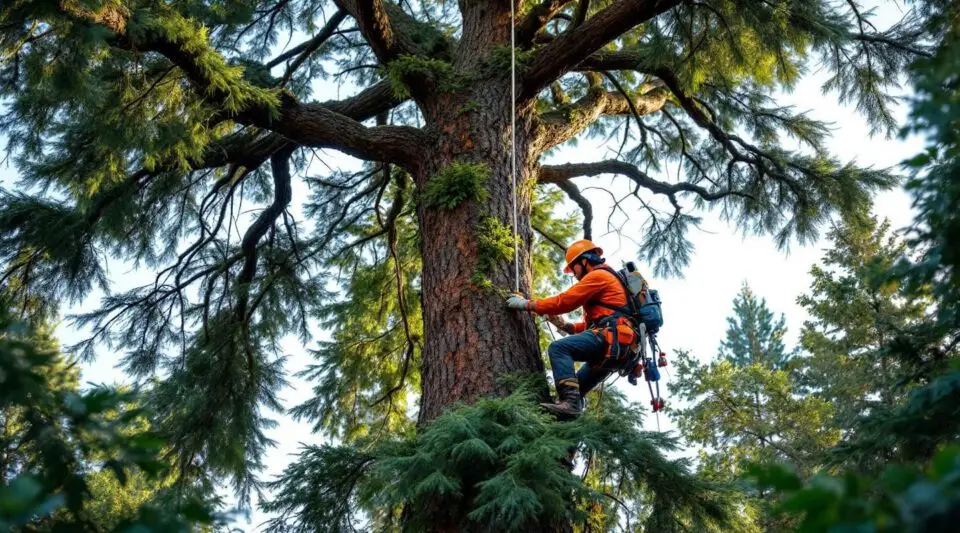
Living among Portland's iconic canopy is one of the best parts of residing in the Pacific Northwest, but mature Douglas firs, western red cedars, and massive big-leaf maples require real vigilance.
Learn more
Living in Portland means sharing our properties with massive Douglas firs, sprawling big-leaf maples, and delicate ornamental cherries.
Learn moreWhen a winter storm sweeps through the Willamette Valley, saturated soil and heavy gap winds create a recipe for sudden tree failure.
Learn moreLiving under the canopy of the Pacific Northwest is one of the best parts of calling this region home, but giant big-leaf maples and towering Douglas firs require careful, active management to thrive in an urban environment.
Learn morePortland's lush, fast-growing vegetation can turn an unused parcel or backyard expansion into an impenetrable wall of green in just a few seasons.
Learn moreWhen you are dealing with towering Douglas firs or sprawling big-leaf maples on your Portland property, guessing at the cost of tree care is a recipe for frustration.
Learn moreLiving in Portland means sharing our neighborhoods with massive, beautiful trees.
Learn moreLeaving a tree stump behind after a removal is like leaving a job half-done.
Learn moreLiving in Portland means sharing our yards with massive Douglas firs, big-leaf maples, and western red cedars.
Learn moreLiving in the Pacific Northwest means sharing our yards with massive, beautiful trees, but Oregon's wet winters and heavy clay soils can quietly compromise their stability over time.
Learn moreLiving in the Pacific Northwest means sharing our properties with massive, beautiful native species like Douglas firs, western red cedars, and sprawling big-leaf maples.
Learn moreLeaving a stump behind after a tree removal is like leaving a construction project half-finished.
Learn moreLiving in Portland means sharing your property with some of the most magnificent, fast-growing trees in the country.
Learn moreOvergrown acreage can quickly stall your building plans or landscape projects in Southwest Washington.
Learn moreStanding dead trees are a ticking clock in the Pacific Northwest.
Learn moreWhen a massive Douglas fir or big-leaf maple starts showing signs of distress on your property, you do not just need someone with a chainsaw.
Learn moreFelling a mature tree in Portland is never a matter of just firing up a chainsaw and hoping for the best.
Learn moreLarge trees like Douglas firs, Western red cedars, and bigleaf maples define our Pacific Northwest landscape, but they pose massive risks when they decay, split, or lean heavily toward your roof.
Learn moreLiving among Portland's iconic canopy is one of the best parts of residing in the Pacific Northwest, but mature Douglas firs, western red cedars, and massive big-leaf maples require real vigilance.
Learn moreLiving in Portland means sharing our properties with massive Douglas firs, sprawling big-leaf maples, and delicate ornamental cherries.
Learn moreI had a big old tree in my backyard that was more of a danger than anything recently. It was leaning dangerously close to the home after a storm so I called this tree service. Right from the beginning they were really responsive and easy to work with. They were there to check out the situation and described the tree removal process in a way that made sense and without trying to upsell unneeded services. The crew arrived on time on the day of the project and were very efficient. Most of all I liked that they were careful with my property and did not destroy the plants and structures near the tree when they removed it. They did the tree stump removal and left the yard clean and ready to use again. Also very helpful in advising me on future maintenance like tree cutting and pruning to avoid problems like this again. Service was smooth and professional and would be happy to use them again if I had need.
Dayna Griffin